Burkina Faso Versus Portugal Two Flags Compared
Flags are more than pieces of fabric. They carry stories, values, and national identity. Comparing the flags of Burkina Faso and Portugal reveals two distinct design philosophies shaped by very different histories. Whether you are a designer looking for inspiration, a traveler curious about symbolism, or an educator preparing a lesson, understanding what these flags represent adds depth to your knowledge. Let us take a closer look at how these two flags differ and what makes each one meaningful.
First Impressions: Two Visual Identities
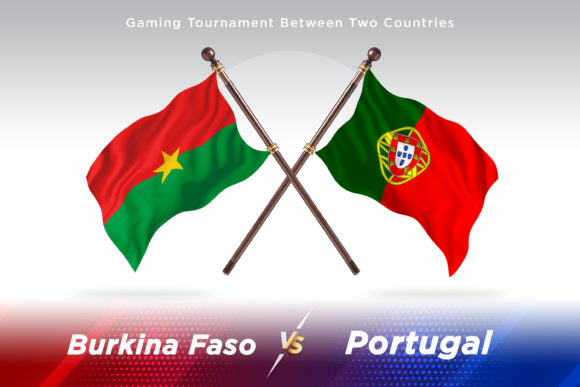
At first glance, the flags of Burkina Faso and Portugal could not be more different. Burkina Faso uses a simple horizontal bicolor of red and green with a yellow star at the center. Portugal opts for a more complex layout: a green and red vertical bicolor with a detailed coat of arms featuring an armillary sphere, seven castles, and five shields. One is minimal and direct. The other is ornate and layered with centuries of meaning.
This contrast is not accidental. Burkina Faso gained independence in 1960 and adopted its current flag in 1984 after a revolution. The design reflects modern pan-African values and a break from colonial influence. Portugal, one of Europe’s oldest nations, carries a flag that traces back to the age of exploration. Its emblems recall maritime discovery, medieval battles, and a global empire. The visual difference mirrors the different paths these countries have taken.
Burkina Faso: Red, Green, and a Star
The flag of Burkina Faso uses three elements, and each one has a clear purpose. The red stripe at the top represents the socialist past of the country and the blood shed during the struggle for independence. The green stripe at the bottom symbolizes hope, agriculture, and the country’s natural resources. The yellow five-pointed star at the center is the guiding light of the revolution that brought the nation its current name—Burkina Faso, meaning “land of upright people.” Every part of this flag points toward unity, resilience, and a forward-looking national spirit.
For someone new to flag design, Burkina Faso’s approach is a good example of how simple shapes and colors can communicate powerful ideas. There is no extra detail. The message is direct: pride, struggle, and hope.
Portugal: Green, Red, and a Rich Coat of Arms
Portugal’s flag tells a more layered story. The green field stands for hope and the red field represents the blood of those who gave their lives for the nation. The boundary between the two colors is not central; red occupies about two thirds of the flag, green one third. That asymmetry already sets it apart from most flags.
The coat of arms is the real focal point. It includes an armillary sphere, a navigational instrument from the age of Portuguese explorers like Vasco da Gama. Seven castles surround the sphere, representing Moorish fortresses conquered during the Reconquista. Inside are five smaller blue shields with five dots each, a symbol linked to a legendary battle victory and the five wounds of Christ. For anyone interested in heraldry or European history, this flag is a miniature museum. It rewards close attention.
Why Compare the Flags of Burkina Faso and Portugal?
You might wonder why someone would compare these two flags side by side. There are several practical reasons. Designers and marketers often study flag composition for inspiration in branding and logo creation. The contrast between minimalism and detail is a classic design lesson. Burkina Faso shows you how far a simple layout can go. Portugal demonstrates how to pack historical meaning into a cohesive visual without looking cluttered.
Educators and students also find value in this comparison. Flags are entry points into geography, history, and civics. Comparing them helps learners understand how national identity is expressed visually. A student researching post-colonial Africa and a student studying European exploration can both use flags as primary texts. The flags of Burkina Faso and Portugal offer two very different case studies in how nations choose to represent themselves.
Travelers and cultural enthusiasts also benefit. Knowing what a flag means before visiting a country enriches the experience. If you plan to travel to Burkina Faso or Portugal, understanding the symbolism behind the flag shows respect and curiosity. It can also be a useful conversation starter with locals who are proud of their national symbols.
Practical Use Cases for Flag Knowledge
Understanding the differences between these two flags goes beyond trivia. Here are a few realistic scenarios where this comparison becomes useful:
- Graphic design projects: If you are creating a multicultural infographic or a travel website, knowing the visual rules of each flag helps you place them correctly without distortion. Burkina Faso’s flag works well at small scales because of its simplicity. Portugal’s flag requires more space to keep its coat of arms legible.
- Educational lesson planning: A world history teacher can use the two flags to discuss themes like revolution, independence, empire, and national identity. The flags provide visual anchors for broader discussions.
- Blogging and content creation: Writers covering travel, international relations, or design can use flag comparisons as compelling hooks. The contrast between Burkina Faso Versus Portugal Two Flags makes for an engaging visual opener in articles and videos.
- Cultural events and presentations: If you are organizing a multicultural event or preparing a presentation about global symbols, knowing the correct versions of these flags shows attention to detail and cultural sensitivity.
Important Things to Consider
Before diving deeper into flag comparisons, keep a few points in mind. Flags are not static. They change with political shifts. Burkina Faso’s current flag itself replaced an earlier design when the country changed its name from Upper Volta. Always check that you are using the most recent official version, especially for contexts like publishing or design work.
Also, avoid assumptions based on visual similarity. Two flags that look alike may have completely different meanings. Portugal’s coat of arms may look complex, but each element has a documented origin. Similarly, the simplicity of Burkina Faso’s flag does not mean it lacks deep significance. The star, the red, and the green carry layers of meaning tied to the country’s revolutionary history and natural wealth.
When using flags in any professional or creative work, respect official proportions and color codes. Stretching a flag or altering its colors can unintentionally distort its meaning or appear careless. Official specifications for both Burkina Faso and Portugal flags are available through national sources or reputable flag databases like those maintained by vexillology organizations.
A Broader Appreciation for Flag Design
Looking at Burkina Faso Versus Portugal Two Flags is not just about comparing two nations. It is about seeing how design reflects identity. One flag says: we are unified by struggle and hope. The other says: we are shaped by centuries of discovery and resilience. Both are true to their countries. Both succeed on their own terms.
For hobbyists, this comparison opens the door to vexillology, the study of flags. Once you start noticing how flags use color, geometry, and symbolism, you see them everywhere differently. You begin to understand why certain flags are instantly recognizable and why others require closer inspection. Burkina Faso and Portugal represent two ends of a spectrum, and studying them together sharpens your eye for design.
If you are a marketer, entrepreneur, or creator, take this lesson into your own work. Sometimes a simple message delivered directly is the most powerful. Other times, your audience wants to dig deeper and discover layers of meaning. Knowing when to use each approach is a skill that flag comparisons can help you develop.
The next time you see either flag, you will see more than colors and shapes. You will see stories of struggle, exploration, hope, and identity. That is the value of understanding what a flag truly represents.