Decoding National Identity: What Burkina Faso Versus United Kingdom Flags Reveals About Modern Branding and Global Perception
At first glance, comparing the flags of Burkina Faso and the United Kingdom might seem like an exercise in geographical trivia. One is a bold, minimal tricolour with a single star, the other an intricate superposition of crosses that tells the story of centuries of union. But for professionals, creators, and marketers, such a comparison offers a surprisingly practical framework for understanding how nations—and by extension, brands—communicate identity, values, and ambition through visual design. In an era where symbols travel faster than words and a flag can appear on a Twitter profile, a startup T‑shirt, or a government website within seconds, the Burkina Faso versus United Kingdom flags contrast becomes a case study in the broader dynamics of national branding, audience perception, and the strategic use of imagery.
Burkina Faso: Minimalism with Purpose
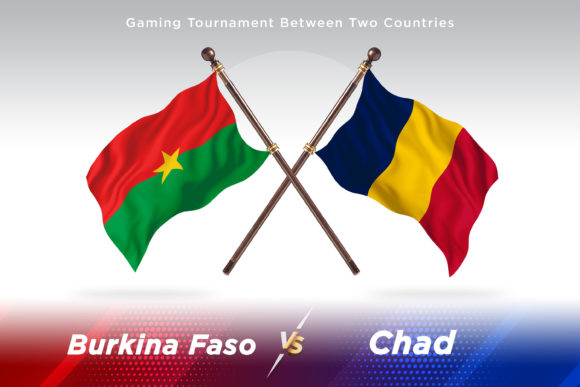
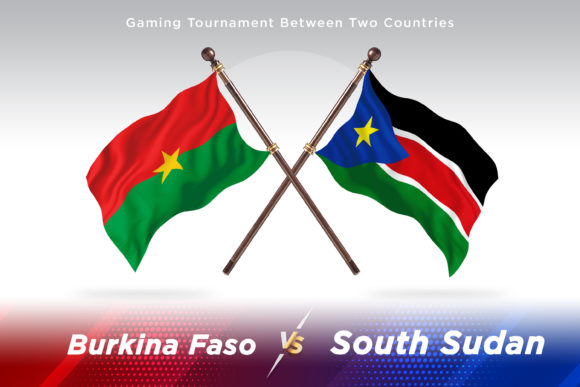
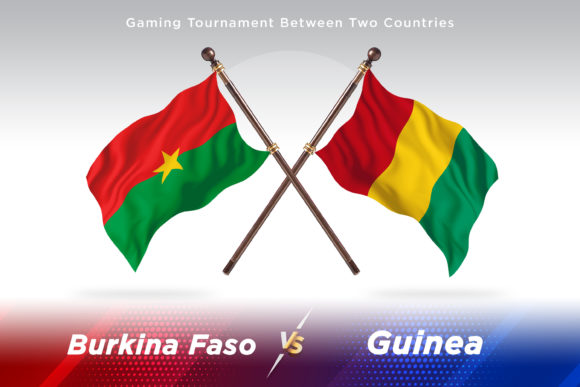
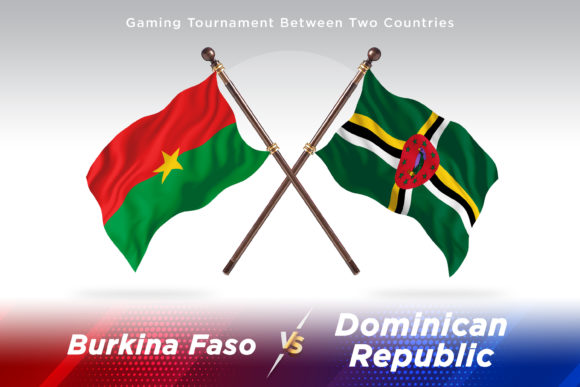
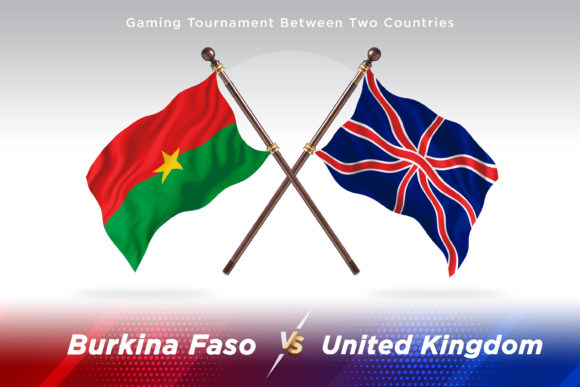
Adopted in 1984 after the Révolution burkinabè, the flag of Burkina Faso is deliberately simple: two horizontal stripes of red and green, with a yellow five-pointed star in the centre. The colour choices are not arbitrary—red represents the revolution and the sacrifice of the people, green stands for the country’s rich natural resources and agriculture, and the yellow star symbolises the guiding light of the revolution. This is a flag built for clarity. It works as a punchy, instantly recognisable symbol, much like a modern logo designed for digital-first use. For a professional observing flag design, Burkina Faso’s flag exemplifies the principle that fewer elements can often communicate more powerfully, especially when the audience is unfamiliar with the country.
United Kingdom: Heritage and Complexity in a Single Emblem
The Union Jack—the common name for the UK flag—is the opposite in approach. It combines the crosses of Saint George (England), Saint Andrew (Scotland), and Saint Patrick (Ireland), creating a layered, asymmetrical design that is instantly recognisable globally. The flag’s heritage value is immense; it is one of the most reproduced and adapted national symbols in the world, appearing on fashion, furniture, and countless product brands. For a creator or entrepreneur, the Union Jack demonstrates how a complex design can become a global shorthand for quality, tradition, and cultural influence. Yet that same complexity can pose challenges: the asymmetry is often misaligned, and the meaning behind the crosses is lost on many viewers. The Burkina Faso versus United Kingdom flags comparison highlights two equally valid approaches to visual identity—the radical simplification of a new nation versus the layered narrative of an old one.
Broader Trends: The Rise of Visual National Branding in a Globalized Economy
In a world where consumers are inundated with choices, visual shorthand has become a critical tool. Flags are no longer reserved for embassies and stadiums—they appear on packaging, in marketing campaigns, as profile badges, and in social media bios. The Burkina Faso versus United Kingdom flags discussion fits perfectly into the trend of national branding, where countries actively manage their image to attract tourism, investment, and talent. Professionals in marketing and business development increasingly study how flag design influences trust and perception. The UK flag, with its historic legibility, instantly signals a certain level of economic stability and cultural cachet. Burkina Faso’s flag, while less globally familiar, conveys a clear narrative of transformation and pride—a valuable lesson for any startup or emerging brand seeking to communicate a bold new direction.
Why People Are Paying Attention: Flags as Identity Markers in a Polarized Yet Connected World
Interest in the comparison of Burkina Faso versus United Kingdom flags has grown as people seek to understand the cultural narratives behind national symbols. In an age of remote work, global teams, and cross‑border collaboration, even entrepreneurs and freelancers need to decode the visual cues of the countries they work with or market to. A flag is often the first thing a potential partner or customer sees on a LinkedIn profile or a company website. Understanding what a flag represents—and what its design choices say about the nation’s priorities—can guide everything from communication style to business etiquette. For example, the UK flag’s stability might reassure partners from conservative industries, while Burkina Faso’s revolutionary red might resonate with audiences focused on change and innovation.
Observations from design conferences and branding workshops show that flag literacy is becoming a soft skill for global professionals. When a creator in Lagos, a marketer in São Paulo, and a developer in Berlin collaborate, they may not know each other’s history, but they can all recognise a national flag. The Burkina Faso versus United Kingdom flags example serves as a talking point for how symbols carry emotional weight without needing translation. That makes them a powerful—and underutilised—tool in cross‑cultural marketing.
Changing Workflows: How Designers, Marketers, and Creators Leverage Flag Symbolism
Practical applications of flag analysis are abundant. A digital agency designing a landing page for a UK‑based luxury brand might draw on the Union Jack’s deep blues and reds to evoke tradition and trust. A freelancer working on a tourism campaign for Burkina Faso could use the green and yellow to evoke agricultural abundance and hope. The Burkina Faso versus United Kingdom flags contrast also informs colour palette choices. The UK flag uses a relatively muted, classic palette; Burkina Faso opts for high‑saturation primary colours. Each has different emotional triggers—authority versus energy, heritage versus vitality.
Moreover, the two flags represent different design philosophies that mirror corporate branding strategies. The Union Jack’s complexity requires careful handling in digital formats—too small, and the detail is lost. The Burkina Faso flag scales perfectly to a favicon or app icon. For a creator building a brand from scratch, the lesson is clear: consider every context in which your symbol will appear. If your business operates across multiple touchpoints—from billboards to smartwatches—simplicity wins. Conversely, if your brand is built on a rich story that benefits from close inspection, layering elements can reward a more engaged audience.
Marketers have also begun using flag‑adjacent imagery in geotargeted campaigns. A campaign targeting expatriates from the UK might subtly incorporate Union Jack elements, while one targeting diaspora from Burkina Faso might use the star and stripes. This kind of nuanced visual referencing requires an understanding of what the flag means to its audience—and how it compares to others. The Burkina Faso versus United Kingdom flags discussion provides a concrete example of how context changes perception: a symbol that is everyday in London is exotic to someone in Ouagadougou, and vice‑versa.
Connecting Flags to Larger Developments: Diplomacy, Tourism, and Digital Presence
On a larger scale, the Burkina Faso versus United Kingdom flags comparison touches on the intersection of visual identity and soft power. Nations invest significant resources in promoting their flags as part of trade delegations, cultural exchange programmes, and global events. The UK flag has been a cornerstone of Brand Britain for decades, appearing at the London Olympics and in global trade campaigns like “GREAT Britain”. Burkina Faso’s flag plays a similar role in positioning the country as a stable, resource‑rich partner in West Africa, often used in investment brochures and agricultural trade shows.
For professionals in international business, understanding these dynamics is increasingly essential. When a company chooses to incorporate a national flag into its product packaging or advertising, it is making a statement about origin, quality, and identity. The rise of “country of origin” branding—where consumers actively seek products from places with strong reputations—has made flag‑based marketing more relevant than ever. The Burkina Faso versus United Kingdom flags example illustrates how a well‑designed flag can either help or hinder that effort. The UK’s flag is globally recognised as a mark of heritage; Burkina Faso’s flag, while less known, projects a different kind of value—modernity, revolution, and local pride. Each can be a powerful tool when used authentically.
Another observation comes from the tourism sector. Destination marketers often analyse flag colours to design logos, brochures, and social media templates. The UK’s flag provides a ready‑made colour scheme: red, white, and blue are used consistently in VisitBritain materials. Burkina Faso’s flag offers a less common combination, which can help the country stand out in a crowded tourism market. The Burkina Faso versus United Kingdom flags contrast thus becomes a practical exercise in differentiation—one of the core challenges for any brand or destination.
Practical Takeaways for Professionals
For entrepreneurs, freelancers, marketers, and designers, the Burkina Faso versus United Kingdom flags comparison is more than an interesting bit of trivia. It offers a tangible framework for thinking about how symbols work: how simplicity can be strategic, how heritage can be an asset, and how colour choices carry cultural weight. When developing your own brand or analysing a competitor, consider these flag‑inspired questions:
- What story does your primary symbol tell without words? The UK flag tells a story of union and history; Burkina Faso’s tells one of revolution and hope. Your logo or flag should align with the real narrative of your business.
- How does your design scale across formats? Burkina Faso’s flag works at any size; the UK flag requires a minimum dimension to remain legible. Test your visual identity on a favicon, a mobile screen, and a billboard.
- Who is your audience and what shorthand will they understand? A global audience may recognise the Union Jack instantly; a niche audience may respond more to the symbolism of the Burkina Faso flag. Choose symbols that resonate with your target market’s cultural literacy.
- Are you using colour purposefully? Red means sacrifice and revolution in Burkina Faso; red and blue together mean tradition in the UK. Understand the colour connotations in the markets you serve.
In conclusion, the Burkina Faso versus United Kingdom flags analysis reveals that national symbols are not static heritage pieces—they are active instruments of brand perception in a globalised, visually‑driven economy. Whether you are a creator designing a logo, a marketer planning a campaign, or an entrepreneur expanding into new markets, the lessons from these two flags are directly applicable. Pay attention to how nations present themselves visually; the patterns you find will inform your own work in unexpected and powerful ways.
By understanding the design logic and symbolic weight behind flags like those of Burkina Faso and the United Kingdom, professionals can better navigate the visual language that increasingly defines our cross‑cultural interactions. The flags themselves are just fabric and colour, but the ideas they represent—identity, ambition, and communication—are at the heart of modern branding and business success.