Burkina Faso Versus Timor-Leste Flags: Design, Symbolism, and National Identity
Flags are more than pieces of cloth. They are visual shorthand for a nation’s history, values, and aspirations. When you place the flag of Burkina Faso next to the flag of Timor-Leste, you are looking at two strikingly different designs that nonetheless share a common purpose: to tell a story of struggle, identity, and hope. For designers, educators, marketers, and curious readers alike, understanding what these flags represent offers insight into how symbols work—and why they matter in an increasingly visual world.
Why Flags Still Matter in a Digital Age
In an era of virtual meetings, globalization, and constant content consumption, flags remain one of the most potent forms of branding a nation has. They appear on podiums, in social media avatars, on merchandise, and in educational materials. The flag of Burkina Faso and the flag of Timor-Leste are not just official emblems; they are tools for storytelling. For entrepreneurs and creators who work with international audiences, recognizing these symbols and their meanings can help avoid missteps, build cultural awareness, and create content that resonates across borders.
Both nations have complex histories shaped by colonization, independence movements, and cultural resilience. Their flags reflect those journeys. By examining them side by side, we can see how design choices—color, geometry, symbolism—are anything but arbitrary.
The Flag of Burkina Faso: Red, Green, and the Star of Revolution
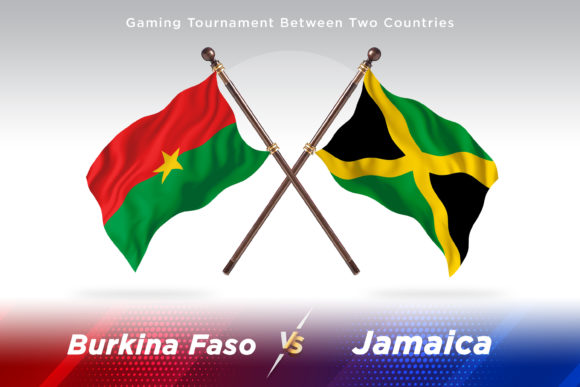
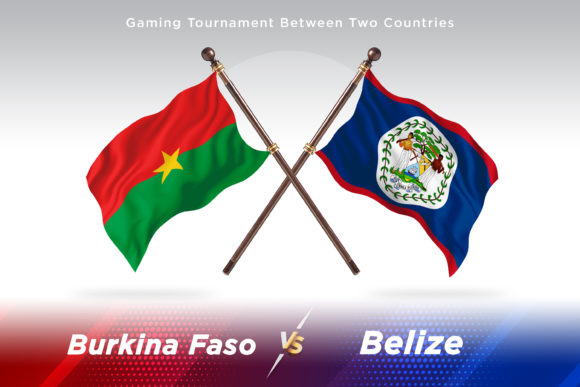
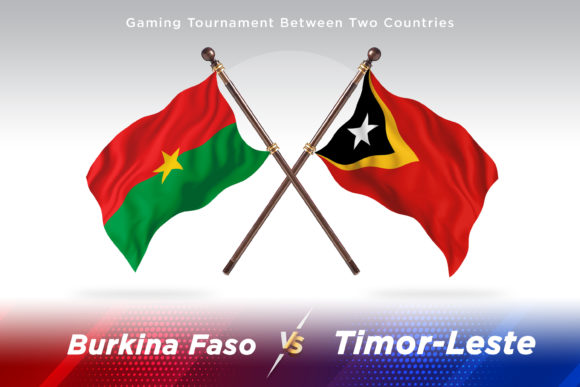
Adopted in 1984 following the revolutionary government of Thomas Sankara, the flag of Burkina Faso replaced the earlier design that featured a tricolor pattern linked to the country’s colonial past. The current flag is simple and bold: two horizontal stripes of red and green, with a yellow five-pointed star centered in the middle.
Red symbolizes the blood shed by the people of Burkina Faso during their struggle for liberation from colonial rule. Green represents the country’s agricultural wealth and natural resources, as well as hope for the future. The yellow star stands for the guiding light of the revolution—the principles of unity, justice, and freedom that the nation aspires to uphold.
In terms of design philosophy, the Burkina Faso flag is a masterclass in minimalism. It uses only three colors, a single geometric shape, and no text or complex imagery. This makes it highly recognizable even at small sizes—a crucial attribute in a world where flags appear on screens, pins, and low-resolution images. For graphic designers and brand strategists, the flag demonstrates how simplicity can carry profound weight when the symbolism is well-communicated.
The Flag of Timor-Leste: Black, Red, Yellow, and the White Star
The flag of Timor-Leste, officially adopted in 2002 when the nation regained independence, tells a different but equally powerful story. Its design features a red field with a black isosceles triangle on the hoist side, overlain by a smaller yellow triangle, and a white five-pointed star inside the black triangle.
The black triangle represents the obscurantism and challenges the country faced under colonial occupation and during its long struggle for self-determination. The yellow triangle symbolizes the richness of the nation’s natural resources and the light of hope. The red field stands for the blood spilled in the fight for independence. The white star is a universal symbol of peace and guidance, pointing toward a future of freedom and prosperity.
What makes the Timor-Leste flag distinctive is its use of multiple shapes and overlapping triangles, which creates a sense of movement and depth. This complexity mirrors the layered history of the nation—a country that endured Portuguese colonization, Indonesian occupation, and a painful transition to sovereignty. For anyone working in education or content creation, the flag offers a rich case study in how visual design can encode multiple narratives simultaneously.
Comparing the Two Designs: Structure and Symbolism
At first glance, the flags of Burkina Faso and Timor-Leste could not look more different. Burkina Faso uses a clean two-stripe layout with a central star. Timor-Leste uses a diagonal composition with overlapping triangular fields. Yet both flags share important characteristics that reflect their post-colonial identities.
- Color palette: Both flags use red as a dominant color, symbolizing sacrifice and struggle. Yellow or gold appears in both as well, representing resources and hope. Green appears only in the Burkina Faso flag, while black appears only in the Timor-Leste flag.
- Geometric approach: Burkina Faso favors horizontal symmetry and central placement. Timor-Leste favors dynamic, diagonal shapes that draw the eye from the hoist toward the fly.
- Star symbolism: Both flags feature a five-pointed star, though positioned differently. In the Burkina Faso flag, the star is centered and independent. In the Timor-Leste flag, it sits inside the black triangle, closely tied to the narrative of overcoming oppression.
- Historical weight: Both flags were adopted during or shortly after periods of revolutionary change. They are not ancient symbols but modern creations designed to articulate new national identities.
For marketers and creators who work with global brands, these distinctions matter. Using a flag incorrectly—misplacing the star, confusing the color order, or misrepresenting the symbolism—can signal a lack of cultural competence. When you understand the stories behind the designs, you are better equipped to use them respectfully and effectively.
Practical Implications for Creators and Professionals
Why should a freelancer, blogger, or business owner care about the difference between these two flags? The answer lies in the growing demand for accurate, culturally aware content. Whether you are designing an infographic, writing a travel article, producing educational materials, or launching a campaign that references international themes, flag symbolism often comes into play.
Consider these practical scenarios:
- A travel blogger writing about West Africa or Southeast Asia might include flag imagery in their posts. Knowing the symbolism adds depth to the narrative.
- A marketer creating a campaign for a global audience may need to avoid stereotypes while using national symbols to convey authenticity.
- An educator teaching about post-colonial nations can use these flags as entry points for discussions about identity, resilience, and design.
- A designer working on a logo or brand identity can learn from both flags: Burkina Faso’s minimalism and Timor-Leste’s narrative layering offer two different strategies for encoding meaning in simple forms.
In each case, the flag is not a decoration but a communication tool. Treating it with respect and understanding elevates the quality of the work.
Trends in Vexillology and National Branding
Flag design has evolved significantly over the past few decades. The trend has moved away from complex coats of arms, text, and overcrowded imagery toward simpler, more memorable designs. Both Burkina Faso and Timor-Leste follow this trend, though they represent different points on the spectrum. Burkina Faso leans toward the extreme simplicity of modern flag design—think Japan or Canada—while Timor-Leste retains more complexity, closer to the style of South Africa or Kiribati.
This shift mirrors broader changes in visual communication. In a world where attention spans are short and screens are small, simplicity wins. Yet Timor-Leste’s flag reminds us that complexity can work when the design is cohesive and the symbolism is clear. For anyone involved in branding or content creation, the lesson is straightforward: every element must earn its place on the canvas.
Another emerging trend is the use of flags in digital spaces, from Zoom backgrounds to NFT collections. As more people represent their identities online, the accuracy and meaning of flags become more visible—and more subject to scrutiny. Knowing the difference between the flag of Burkina Faso and the flag of Timor-Leste, and being able to speak confidently about their symbolism, is a small but meaningful competitive advantage in a globally connected marketplace.
What These Flags Teach Us About National Identity
National identity is not static. It evolves through political change, cultural rediscovery, and generational shifts. Both Burkina Faso and Timor-Leste are relatively young nations in their current forms, and their flags reflect that dynamism. The flags were not inherited from ancient kingdoms but were consciously chosen by leaders and citizens to embody a new chapter.
For the reader—whether you are a hobbyist studying world cultures or a professional adapting to a global audience—these flags offer a window into how nations present themselves to the world. They remind us that identity is shaped by struggle but also by hope. They show that design, at its best, is not just about aesthetics but about meaning.
When you look at the flag of Burkina Faso, you see a nation that chose simplicity and clarity to express its revolutionary ideals. When you look at the flag of Timor-Leste, you see a nation that layered its history into a single graphic to articulate resilience and optimism. Both are effective. Both are beautiful. And both deserve to be understood fully, not just glanced at in passing.
Practical Recommendations for Engaging with These Flags
If you plan to use either flag in your work, here are a few grounded, actionable tips:
- Verify the proportions. Always use the correct aspect ratio and color specifications. Even small errors can undermine credibility.
- Learn the backstory. Before writing or designing around a flag, take time to understand its history. A few minutes of research can make your content richer and more respectful.
- Use flags to build bridges, not barriers. When you reference a national flag, you are invoking a whole culture. Frame your use positively and constructively.
- Consider your medium. A flag that works well in a large banner may not read clearly in a small social media icon. Simpler flags like Burkina Faso’s tend to scale better; more complex flags like Timor-Leste’s require careful sizing.
- Stay curious. Vexillology is a rich field. The more you learn about flags, the better you understand how symbols function in human communication.
The comparison between Burkina Faso versus Timor-Leste flags is not just an academic exercise. It is a practical opportunity to see how two distinct nations solved the same problem: how to represent a people, a history, and a dream in a single, enduring image. For anyone working in a visual or global field, that is a lesson worth taking seriously.