Burkina Faso and Montenegro: Two Flags, Two Stories of Identity and Symbolism
Flags are far more than decorative pieces of fabric. They are compact visual narratives that encapsulate a nation's history, struggles, values, and aspirations. When we place the flag of Burkina Faso next to the flag of Montenegro, we are not just comparing colors and shapes—we are comparing two distinct journeys of national identity. One flag speaks of African revolution, hope, and natural wealth; the other carries the weight of centuries-old heraldry, royal heritage, and a dramatic shift from monarchy to independent republic. This article explores the design, symbolism, history, and modern relevance of both flags, offering a clear and engaging comparison for curious readers.
Why Compare Burkina Faso and Montenegro?
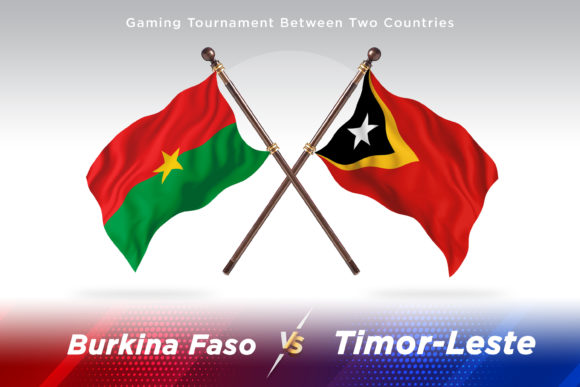
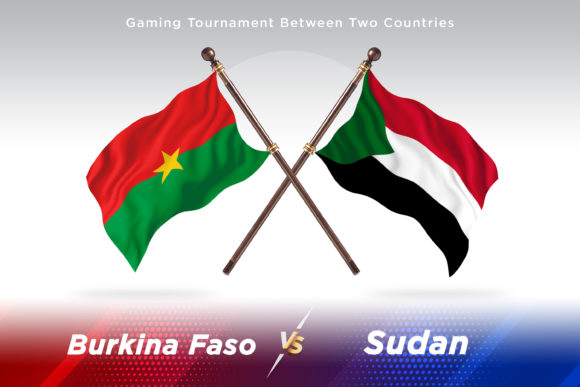
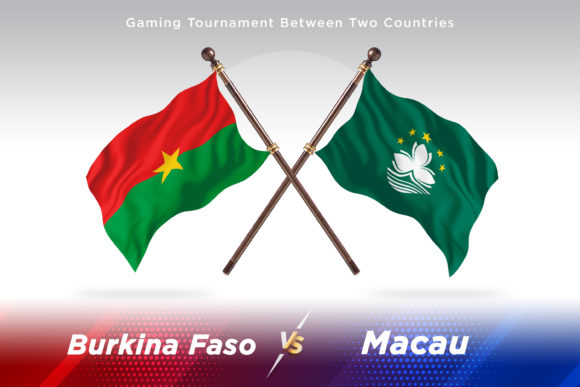
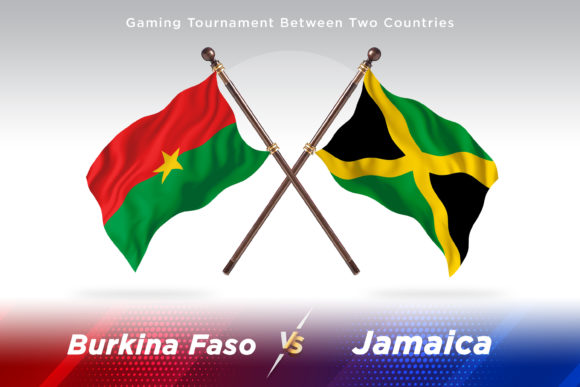
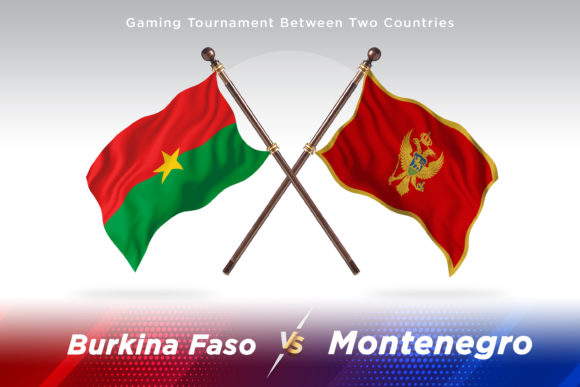
At first glance, the flags of Burkina Faso and Montenegro appear completely different. Burkina Faso's flag features two horizontal stripes of red and green with a yellow star in the center. Montenegro's flag is a deep crimson red with a golden double-headed eagle and a royal crown. Yet both flags are powerful expressions of national character, and comparing them helps us understand how geography, history, and political change shape national symbols. Whether you are a student of vexillology, a traveler, or simply someone interested in world cultures, this comparison offers valuable insight into how countries tell their stories through design.
A Brief History
Burkina Faso, a landlocked country in West Africa, adopted its current flag on August 4, 1984. This date marks a pivotal moment: the country changed its name from Upper Volta to Burkina Faso, meaning "land of the upright people" or "land of the honest people." The name change was part of a broader revolutionary transformation led by President Thomas Sankara, who sought to break away from colonial legacies and forge a new national identity. The old flag, featuring three horizontal stripes of black, white, and red, was replaced with the bold design we see today.
Design and Symbolism
The flag consists of two equal horizontal bands:
- The top stripe is red. This color symbolizes the revolution and the blood shed by the people of Burkina Faso in their struggle for independence and self-determination. It is a reminder of sacrifice and the ongoing fight for justice.
- The bottom stripe is green. Green represents the country's agricultural wealth, natural resources, and the hope for a prosperous future. It also reflects the lush vegetation of the rainy season and the fertile land that sustains the population.
- A golden five-pointed star sits at the center. The star is a symbol of the revolutionary ideals that guided the country's transformation. It also represents the guiding light of freedom and the unity of the people. The yellow (gold) color stands for the mineral wealth of Burkina Faso, including gold, which is a significant part of the economy.
The flag is a textbook example of pan-African color symbolism, using red, green, and yellow—colors that appear on many African flags. These colors are derived from the Ethiopian flag, which became a symbol of African independence and unity because Ethiopia was the only African country never colonized. Burkina Faso's flag therefore connects the nation to a broader continental identity while telling its own specific story.
Common Misunderstandings
Some viewers mistakenly think the star represents a political party or a specific leader. In reality, the star represents the revolutionary ideals of the entire nation, not any single figure. Another misunderstanding is that the red and green stripes echo the former colonial power, France. In fact, the colors are entirely African in inspiration and were deliberately chosen to distance the new nation from its colonial past.
A Brief History
Montenegro, a small Balkan country on the Adriatic Sea, adopted its current flag on July 13, 2004, after regaining independence from the State Union of Serbia and Montenegro. The flag draws heavily on the country's medieval and royal heritage. During the 19th and early 20th centuries, Montenegro was a kingdom ruled by the Petrović-Njegoš dynasty, and the double-headed eagle and crown come directly from the royal coat of arms. After World War II, Montenegro became part of Yugoslavia and used a socialist-era flag with a red star. Following the breakup of Yugoslavia and the eventual independence referendum in 2006, the country reclaimed its pre-communist symbols.
Design and Symbolism
The flag features a rich crimson red field with a golden (yellow) coat of arms at the center. The coat of arms includes:
- A double-headed eagle. This is an ancient heraldic symbol used by the Byzantine Empire, the Holy Roman Empire, and many Slavic nations. The two heads look east and west, symbolizing the protection of the nation from both directions. For Montenegro, the eagle also represents the Petrović-Njegoš dynasty and the continuity of statehood.
- A golden crown above the eagle. The crown is a direct reference to the royal past of Montenegro. It symbolizes sovereignty, dignity, and the historical independence of the Montenegrin state. The crown is not merely decorative—it is a statement of national pride and a link to the time when Montenegro was a recognized kingdom.
- The eagle holds a scepter and an orb. These royal regalia represent authority, justice, and the power of the state. The scepter symbolizes governance, while the orb represents Christian faith and the idea of divine right. Together, they reinforce the idea of a legitimate, historical state.
- A golden lion passant on the eagle's chest. This small lion is a reference to the emblem of the Petrović-Njegoš dynasty and is also linked to the medieval Serbian Empire. It adds an additional layer of historical depth.
The red background is a traditional color in Montenegrin and Slavic heraldry, often associated with courage, strength, and the blood of martyrs. The gold of the coat of arms stands for wealth, honor, and the glory of the nation's past.
Common Misunderstandings
Some people assume the double-headed eagle is a symbol of Russian influence or that the flag implies a desire to restore the monarchy. While the eagle and crown do have historical ties to Russia (both are Orthodox Christian nations with shared Slavic heritage), the symbol is primarily Montenegrin and predates modern Russian connections. The crown represents historical sovereignty, not a political movement to reinstate a king. Additionally, the flag is sometimes confused with the flag of the Serbian Orthodox Church or even Albania, but the Montenegrin version has distinct details, such as the lion on the chest and the specific shape of the crown.
Direct Comparison: Two Flags Side by Side
When we place Burkina Faso's flag next to Montenegro's flag, the contrasts are striking, but so are the deeper similarities in how both nations use symbolism to assert identity.
Visual Comparison at a Glance
| Aspect | Burkina Faso | Montenegro |
| Colors | Red, green, yellow | Crimson red, gold |
| Layout | Two horizontal stripes with a central star | Solid red field with a central coat of arms |
| Main symbol | Five-pointed star | Double-headed eagle with crown |
| Historical inspiration | Pan-African revolution, anti-colonialism | Royal heraldry, medieval statehood |
| Year adopted | 1984 | 2004 (current version) |
Symbolic Differences
Burkina Faso's flag is forward-looking. It emphasizes revolution, hope, and natural wealth. The star is a guiding light toward a better future. The flag is deliberately modern and broke away from colonial-era symbols. Montenegro's flag is backward-looking in the best sense. It reaches into the medieval past to legitimize the present. The eagle and crown assert that Montenegro was a sovereign state long before communism, and that independence is a restoration, not a new invention.
Another key difference is the complexity of design. Burkina Faso's flag is simple and immediately recognizable from a distance—a classic example of good flag design according to vexillology principles. Montenegro's flag is more intricate, requiring closer inspection to appreciate the details of the coat of arms. This complexity reflects the layered history of the nation, where every element of the eagle carries centuries of meaning.
Shared Purpose
Despite these differences, both flags serve the same essential purpose: they unite people under a shared identity. Both flags were adopted during periods of national redefinition—Burkina Faso after a revolutionary name change, Montenegro after regaining independence. Both flags replace symbols associated with foreign domination or outdated political systems. And both flags are deeply meaningful to their citizens, appearing in homes, government buildings, sporting events, and international diplomacy.
Practical Relevance: Flags in Modern Life
Understanding flags is not just an academic exercise. In today's interconnected world, flags appear constantly in media, travel, business, and education. Here are a few ways this knowledge applies to everyday life:
- Travel and tourism. Recognizing the flags of Burkina Faso and Montenegro helps travelers connect with local culture and show respect. Knowing that Montenegro's eagle and crown represent royal heritage can enrich a visit to its medieval towns.
- Business and trade. International companies often incorporate national symbols into branding. Understanding the meaning behind a flag can help businesses avoid cultural missteps when entering new markets.
- Education and debate. Flag symbolism is a gateway to discussing larger topics like colonialism, revolution, nationalism, and heritage. Comparing the two flags is a great way to teach students about how history shapes national identity.
- Sporting events. Flags are ubiquitous at international competitions like the Olympics and the World Cup. Knowing the story behind a flag adds depth to the experience of watching athletes from around the world compete.
Common Misunderstandings About Both Flags
Beyond the specific misconceptions already mentioned, there are broader misunderstandings that apply to both flags:
- "A flag is just a symbol—it doesn't really matter." In reality, flags are powerful tools of national identity. Changing a flag can be a revolutionary act, as it was in Burkina Faso. Restoring a historical flag can be a declaration of independence, as it was in Montenegro.
- "All red, green, and yellow African flags mean the same thing." While pan-African colors are shared, each country's specific arrangement and additional symbols tell a unique story. Burkina Faso's star is not the same as Ghana's star or Cameroon's star.
- "European flags with double-headed eagles are all related to Russia." The double-headed eagle is a common heraldic symbol used by many nations, including Albania, Serbia, and Montenegro, each with distinct variations and historical roots.
- "A flag with a crown means the country has a king." Montenegro is a parliamentary republic with no monarch. The crown is a historical symbol of sovereignty, not a statement about current governance.
Conclusion: Two Flags, One Universal Language
The flags of Burkina Faso and Montenegro may look nothing alike, but they speak the same visual language of national pride. Burkina Faso's flag tells a story of revolutionary hope, agricultural wealth, and African unity. Montenegro's flag tells a story of medieval glory, royal heritage, and reclaimed independence. Each flag is a lens through which we can understand the values, history, and aspirations of its people.
When you next see these flags fluttering in the wind, whether at a diplomatic summit, a cultural festival, or in a photograph, you will see more than just colors and shapes. You will see the spirit of two nations, each proud of its past and hopeful for its future. And that is the true power of a flag—it turns a simple piece of cloth into a story that can be read by anyone, anywhere in the world.