Bulgaria vs Liechtenstein: Two Flags Compared
Flags are more than colorful cloth—they tell stories, reflect national identity, and sometimes even hide surprising histories. When you place the flag of Bulgaria next to the flag of Liechtenstein, you might notice an immediate difference in layout and symbolism, yet both share a common European origin. Understanding what sets these two flags apart matters to travelers, designers, educators, business owners, and anyone curious about the visual language of nations. This article breaks down the comparison from multiple angles so you can see which aspects matter most for your own interests, whether you are a beginner exploring flags for fun or a professional using them in your work.
What Are the Bulgaria and Liechtenstein Flags?
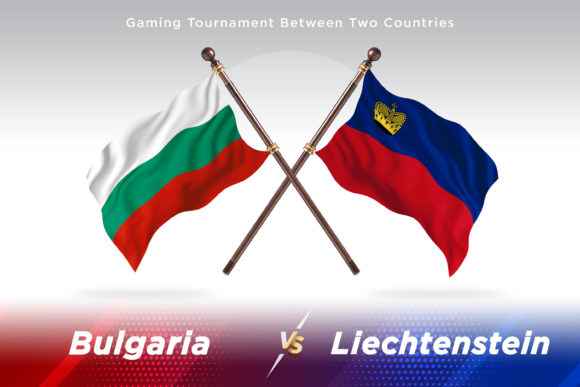
The flag of Bulgaria consists of three horizontal stripes: white on top, green in the middle, and red at the bottom. It was officially adopted after the fall of communism in 1991, though its roots go back to the 19th century. White represents peace, green symbolizes the fertility of the land, and red stands for the courage and blood of the people. It is a simple tricolor that is easy to recognize once you know the sequence.
Liechtenstein’s flag is also horizontal: blue on top and red on the bottom, with a golden crown in the upper left corner. The blue symbolizes the sky, red represents the fires of the hearth and the land, and the crown signifies the principality’s unity and sovereignty. Interestingly, the crown was added in 1937 after Liechtenstein’s team at the Berlin Olympics noticed their flag was identical to Haiti’s. That small detail turned a potential embarrassment into a distinctive national emblem.
For anyone who sees these two flags side by side, the contrasts are clear: Bulgaria uses three colors, Liechtenstein two plus a crown; Bulgaria’s design is symmetric, Liechtenstein’s has an off-center charge. But why should different people care about these differences?
Travelers and Geography Enthusiasts
If you travel often or enjoy learning about countries, recognizing flags on passports, at embassies, or on souvenir pins can enrich your experience. A traveler visiting both Bulgaria and Liechtenstein will notice that the flags are used everywhere—from government buildings to local festivals. Knowing the flag of Bulgaria helps you pick it out among other tricolors that use similar colors (like Slovenia or Russia), while the crown on Liechtenstein’s flag makes it instantly memorable. For geography hobbyists, the story of Liechtenstein’s crown addition is a great conversation starter. You might also use flag recognition to quickly identify which country a product or event represents, especially in multicultural settings.
Practical tip: When packing for a trip to either country, look up the flag’s history online. It gives you something interesting to share with locals and shows respect for their national identity.
Designers and Creative Professionals
For graphic designers, web developers, or anyone working with visual content, flags offer a rich source of color palettes and composition lessons. Bulgaria’s flag uses a straightforward horizontal layout that can be adapted for banners, infographics, or branding that needs a clean, balanced look. The combination of white, green, and red is strong in contrast and works well for both print and digital media. Liechtenstein’s flag, on the other hand, demonstrates how a single symbol—the crown—can transform a simple bicolor into something distinctive. Designers can study how the crown’s gold complements the blue and red, and how its placement affects visual weight.
If you are a creator building a project that involves European themes, you might choose elements from either flag. For example, a travel blog post about hidden gems in Europe could use Liechtenstein’s crown as a subtle motif for “royal” destinations, while Bulgaria’s tricolor could anchor a palette for a series on Balkan culture. The key is to understand the symbolism behind the colors so your design choices feel intentional, not arbitrary.
Example: A freelancer designing a poster for a cultural exchange event could incorporate Bulgaria’s green stripe to represent nature and growth, and Liechtenstein’s blue to evoke calm and reliability.
Educators and Students
Teachers and learners benefit from flag comparisons because flags are compact history lessons. In a classroom setting, comparing Bulgaria and Liechtenstein can illustrate several concepts: how post-communist countries readopted or revised their flags, how small nations maintain distinct identities, and how international incidents (like the Olympic flag confusion) lead to design changes. A history teacher might use the two flags to discuss the different paths of Eastern European and Central European states. A language teacher could tie the flags to lessons about national pride or geography.
For students, creating a side-by-side analysis of these flags is a great exercise in observation and research. You can study the proportions, color codes (official Pantone values), and the meaning behind each element. This kind of hands-on learning sticks better than memorizing facts from a textbook.
Practical approach: If you are an educator, ask students to predict which flag has a crown and why. Then reveal the Olympic story. It sparks curiosity and makes the lesson memorable.
Business Owners and Marketers
Entrepreneurs and small business owners occasionally need to use flags for international communication, product packaging, or event promotion. Understanding the nuances between similar-looking flags can prevent embarrassing mistakes. For instance, if you are launching a product that sources ingredients from Bulgaria, putting the correct flag on your packaging shows attention to detail. Similarly, if you are organizing a trade fair and Liechtenstein has a booth, displaying its flag correctly (with the crown on the hoist side) reflects professionalism.
Marketers might also analyze how flag colors influence brand perception. Bulgaria’s tricolor is versatile and traditional, while Liechtenstein’s flag suggests exclusivity and heritage because of the crown. If you are building a campaign around premium European craftsmanship, you might draw on Liechtenstein’s visual cues. For a campaign focused on natural beauty and agriculture, Bulgaria’s green stripe could be a subtle ally.
Note: Always verify the official flag specifications from government sources before using them in commercial materials. Even minor errors can undermine trust.
Hobbyists and Collectors
Flag collecting is a popular hobby, and having accurate depictions of both Bulgarian and Liechtenstein flags is essential. Collectors often compare shades of red and blue across manufacturers, or debate whether the crown on Liechtenstein’s flag should be centered or slightly closer to the hoist. If you are a hobbyist, you might enjoy learning that Bulgaria’s flag has changed several times—the current version is the same as the pre-communist flag (1946–1948), but with a slightly different shade of green. Liechtenstein’s flag, meanwhile, has remained consistent since the crown was added in 1937, though the crown design has been refined.
For those who create flags (sewing, digital design, or 3D modeling), paying attention to details like the stripe widths and crown dimensions matters. Bulgaria’s stripes are equal in width; Liechtenstein’s stripes are also equal, but the crown accounts for a specific proportion. These nuances separate a good reproduction from a great one.
Tip for collectors: Buy flags from reputable suppliers who follow official specifications. A poorly made flag can distort colors or proportions, reducing both its educational and aesthetic value.
Professionals in Vexillology and International Relations
Vexillologists (flag experts) and professionals working in diplomacy or international business may need deep knowledge of flag protocols. For them, the comparison between Bulgaria and Liechtenstein goes beyond design. They consider proper display order, how flags are hoisted alongside others (Liechtenstein’s flag must not be flown upside down because the crown would be at the bottom), and the history behind each change. For example, Bulgaria’s flag underwent a short-lived version in the 1970s that included the state emblem; experts understand why it was removed in 1991. Liechtenstein’s flag, being one of the few European flags with a crown, stands out in official ceremonies.
If you work in an embassy or a multinational company, knowing these details helps you represent both countries accurately. It also demonstrates respect for national symbols, which can strengthen relationships.
Identifying Which Perspective Fits You
Not every reader needs to explore all these angles. If you are a beginner just curious about flags, start with the visual comparison: memorize Bulgaria’s white-green-red sequence and Liechtenstein’s blue-red-with-crown. That alone will help you spot them on maps or in photos. If you are a professional, dig into official specifications and historical contexts. For creators, experiment with the color palettes and see how they work in your projects. For educators, use the Olympic story to engage students. The value of comparing Bulgaria and Liechtenstein’s flags lies in how you apply that knowledge to your own goals.
If your interest is commercial, focus on accuracy and symbolism. If your interest is personal, enjoy the stories and the beauty of the designs. Both flags are excellent examples of how a small piece of fabric can carry a nation’s identity.
By understanding the differences between Bulgaria and Liechtenstein’s flags, you gain more than just trivia—you gain a practical tool for travel, design, teaching, business, or simply appreciating the world. Whether you are planning a trip, building a brand, or teaching a classroom, the next time you see these two flags side by side, you will know exactly what sets them apart and why that matters.