Burma vs Chad: Two Flags Compared
If you have ever found yourself squinting at two flags, wondering which one belongs to which country, you are not alone. National flags often share color palettes or structural patterns, and the flags of Burma—now officially Myanmar—and Chad are a fascinating pair to examine side by side. At first glance, both use bold, meaningful colors, but their designs, symbolism, and practical uses differ in ways that matter for educators, designers, travelers, and business professionals. Understanding these distinctions goes beyond trivia; it helps with accurate communication, respectful representation, and smarter branding decisions.
What the Burma Versus Chad Comparison Reveals
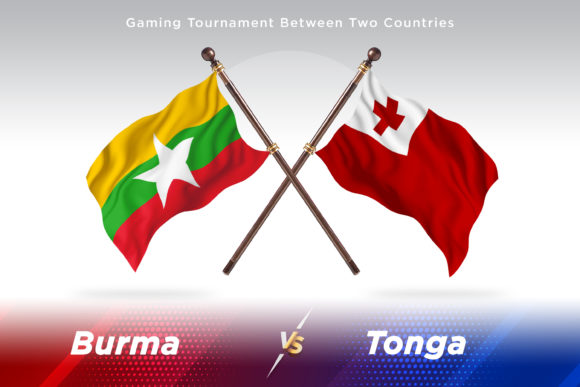
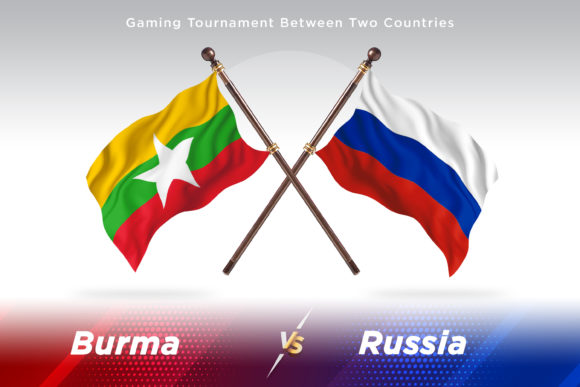
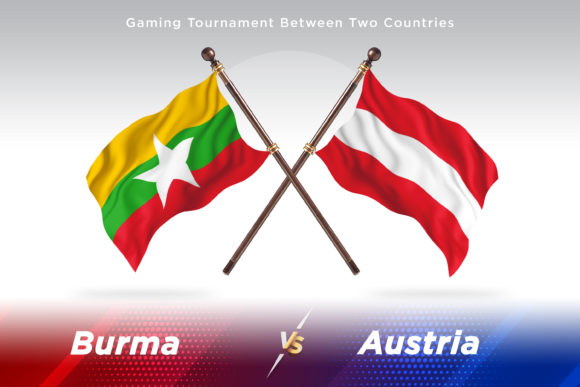
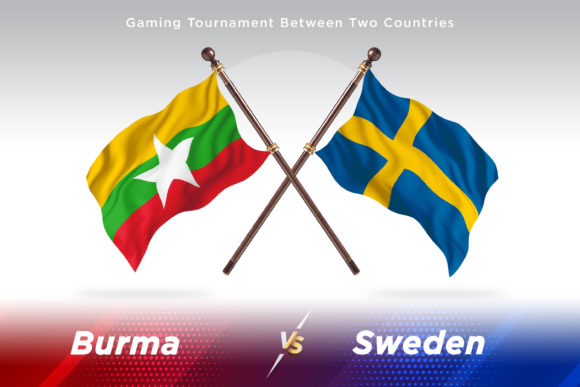
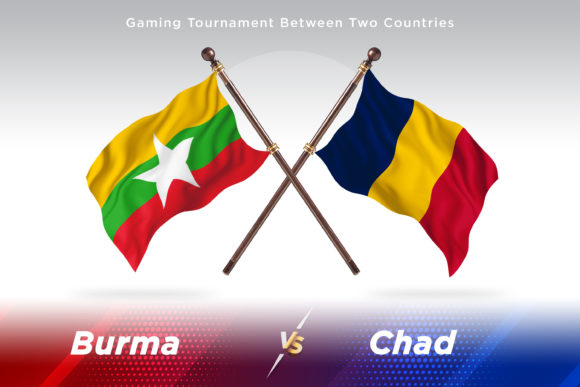
Comparing Burma and Chad flags is not about declaring one superior. Rather, it is a lens for understanding how national identity is encoded in simple geometric layouts and color choices. Burma’s flag features horizontal stripes of yellow, green, and red, with a large white five-pointed star at the center. Chad’s flag consists of three vertical stripes: blue, yellow, and red. The similarities end there, but the contrasts hold practical value.
For marketers or content creators who work with international audiences, knowing these differences prevents embarrassing mislabeling. For educators, the comparison offers a clear case study in vexillology—the study of flags—and how post-colonial histories shape modern symbols. And for travelers or business owners operating in Southeast Asia or Central Africa, recognizing these flags at a glance builds cultural competence and trust.
Burma (Myanmar) Flag
Adopted in 2010, Burma’s flag uses a horizontal triband design. The yellow stripe represents solidarity, the green stands for peace and tranquility, and the red symbolizes courage and determination. The white star at the center signifies the union of the country’s diverse ethnic groups. The overall effect is bold and centralized, drawing the eye inward.
One notable quality is how the flag balances multiple meanings within a simple layout. This makes it highly adaptable for digital use—whether on a website footer, a social media profile, or a printed banner—because the central star remains visible even at small sizes. For designers, this is a practical advantage: the flag scales well without losing its recognizable element.
Chad Flag
Chad’s flag, adopted in 1959, follows a vertical tricolor pattern inspired by the French Tricolore, reflecting its colonial history. The blue stripe represents the sky, hope, and water—particularly Lake Chad. The yellow stands for the sun and the Sahara Desert, while the red symbolizes progress, unity, and sacrifice. The vertical layout gives the flag a distinct sense of upward movement, which can convey ambition or forward momentum in a visual context.
From a usability standpoint, Chad’s flag works well in vertical orientations—such as hanging banners or mobile screens—because the stripes naturally align with portrait layouts. This is a subtle but useful consideration for event organizers or digital marketers optimizing flags for different display formats.
Educational Settings
Teachers and professors often use flag comparisons to illustrate broader lessons in geography, history, and civics. The Burma versus Chad comparison is especially effective because it demonstrates how two nations with different colonial pasts—British influence in Burma versus French influence in Chad—developed distinct visual identities. Students can analyze color symbolism, flag adoption timelines, and even design principles like symmetry versus asymmetry. For homeschooling parents or curriculum designers, this pair offers a ready-made exercise in critical thinking.
Professional and Business Environments
Companies that operate globally or host international clients frequently display flags in offices, on websites, or at events. Misusing a flag can damage credibility. A travel agency promoting tours to both Southeast Asia and Central Africa, for instance, needs to ensure accurate representation. Similarly, a logistics firm shipping goods to N’Djamena and Yangon should use correct flag imagery on documentation or tracking portals. The Burma versus Chad distinction matters here because the flags are sometimes confused by those unfamiliar with them—especially when viewed quickly or at low resolution.
Creative and Digital Contexts
Graphic designers, video editors, and UI/UX professionals often incorporate national flags into infographics, motion graphics, or app interfaces. Because Burma’s flag has a strong central element (the star), it works well as an icon or badge. Chad’s flag, with its clean vertical stripes, integrates smoothly into timeline graphics or progress bars. Knowing these strengths helps creators choose the right visual treatment for each flag without distorting its design. For example, if you are building a country selector dropdown, Chad’s flag remains recognizable even when compressed into a small square, while Burma’s flag benefits from a slightly wider aspect ratio to keep the star legible.
Branding and Engagement
Some brands incorporate flag-inspired color schemes or motifs to signal international reach or cultural appreciation. A coffee company sourcing beans from both Myanmar and Chad might use stylized flag elements on packaging or marketing materials. In such cases, understanding the exact colors and proportions of each flag—and respecting their official specifications—prevents unintentional misrepresentation. Authenticity resonates with consumers, especially those from the represented countries. Taking the time to get the details right builds trust and shows respect.
Potential Benefits of Understanding Flag Nuances
- Improved usability: When flags are displayed correctly, navigation and information retrieval become more intuitive for international users.
- Enhanced efficiency: Designers and marketers can reuse flag assets confidently without needing to double-check accuracy for every project.
- Stronger communication: Accurate flag use signals professionalism and cultural awareness, especially in cross-border negotiations or collaborations.
- Better user experience: In digital products, correct flag representation reduces cognitive friction for users scanning for their country.
- Increased engagement: Audiences notice and appreciate attention to detail, which can boost brand loyalty and shareability of content.
Real-World Use Cases and Observations
I have worked with a small e-commerce team that sold handmade textiles from both Myanmar and Chad. When we initially built our country filter, we used placeholder flag icons that were slightly off in color saturation. Within a week, a customer from Chad emailed to point out the discrepancy. That feedback prompted us to research the official Pantone values for each flag and update our assets. The result? A more polished interface, fewer complaints, and a noticeable uptick in repeat visitors from both regions. The lesson was clear: details matter, and the Burma versus Chad comparison is a perfect example of why.
Another scenario involves a freelance illustrator who created a series of world flag illustrations for an educational app. She initially planned to simplify all flags to basic shapes for consistency. But when she reached Burma and Chad, she realized that simplifying too much would make them indistinguishable. She adjusted her approach, keeping the star in Burma’s flag distinct and ensuring Chad’s vertical stripes had the correct order (blue, yellow, red from hoist to fly). The app received positive reviews for its accuracy, and the illustrator’s attention to flag subtleties became a selling point for future contracts.
Practical Considerations When Using These Flags
When selecting or implementing flag imagery for any project, keep these factors in mind:
- Color accuracy: Use official color references. For Burma, the yellow, green, and red have specific tones that differ slightly from generic flag palettes. For Chad, the blue is notably darker than many other blue-yellow-red tricolors.
- Aspect ratio: Burma’s flag uses a 2:3 ratio, while Chad’s flag uses a 2:3 ratio as well, but their visual weight differs due to layout orientation. Plan your layout accordingly.
- Resolution and size: Burma’s central star can become muddy at very small sizes. Chad’s stripes remain clear but may require width constraints to avoid distortion.
- Context of use: Consider whether the flag will appear alongside other flags. Grouping flags with similar color schemes can cause confusion, so use spacing or labels when necessary.
- Cultural sensitivity: Flags are national symbols with legal protections in many countries. Always use them respectfully and avoid alterations or satirical treatments in professional contexts.
Final Observations for a Thoughtful Comparison
The Burma versus Chad flag comparison is more than a trivia point. It is a practical tool for improving visual literacy, cross-cultural communication, and design thinking. Whether you are an educator planning a lesson on national symbols, a business owner preparing for an international trade show, or a creator building a global brand, understanding the details of these two flags can save time, prevent mistakes, and earn respect from your audience. The next time you see a yellow, green, and red flag with a white star—or a blue, yellow, and red vertical tricolor—you will know exactly which country it represents. And more importantly, you will know why it matters.