Brunei vs Kazakhstan: Two Flags Compared
National flags are more than pieces of cloth; they are visual stories of a country’s identity, history, and values. Comparing two distinct flags, such as those of Brunei and Kazakhstan, offers a fascinating way to understand different cultures at a glance. Both flags are rich in symbolism, yet they tell very different tales. Whether you are a traveler, a designer, a teacher, or simply curious about world cultures, exploring what makes each flag unique can deepen your appreciation for these nations. This article breaks down the key elements of the Brunei and Kazakhstan flags, explains their meanings, and shows why such comparisons are valuable in education, design, and everyday life.
What Makes Each Flag Unique?
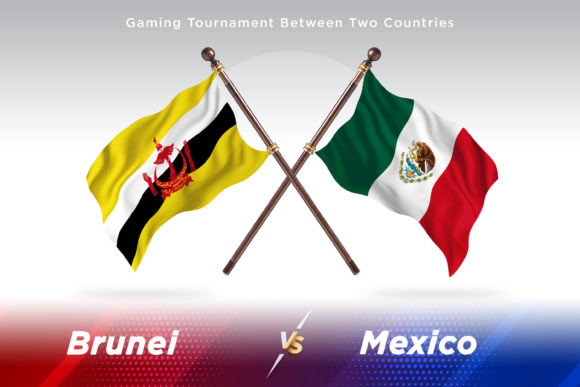
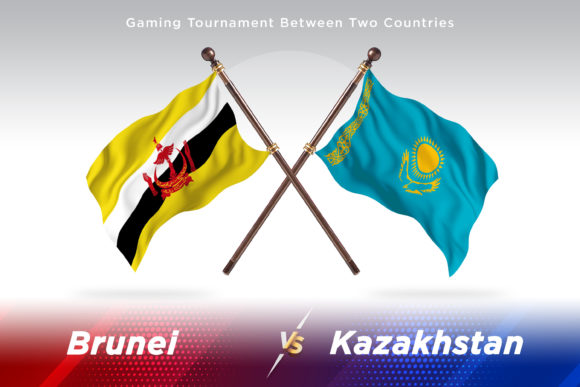
Brunei’s flag is dominated by a bold yellow field, which represents the monarchy. Across the flag runs a diagonal stripe pattern in white and black, and at the center sits the national crest: a crescent moon (symbolizing Islam), a parasol (royal protection), and two upraised hands (signifying the government’s duty to protect the people). The entire design is deeply tied to Brunei’s identity as an Islamic sultanate. The yellow is not just a color; it is a royal color in Southeast Asia, used in many flags of the region’s monarchies.
Kazakhstan’s flag, on the other hand, takes a completely different visual approach. A light blue background—often described as the color of the endless sky—carries a golden sun with 32 rays and a soaring steppe eagle beneath it. On the hoist side, a vertical band features a traditional national ornament called the “koshkar muiz” (ram’s horn) pattern. The blue symbolizes peace and unity, the sun represents life and energy, and the eagle stands for freedom and the vast Kazakh steppes. The ornament grounds the flag in the nation’s nomadic heritage.
Key Differences at a Glance
At first glance, the two flags could not be more different. Brunei opts for a warm, earth-toned palette with yellow, white, black, and red, while Kazakhstan favors cool sky blues and gold. The contrast in design philosophy is striking:
- Color symbolism: Brunei uses yellow to emphasize monarchy and Islam; Kazakhstan uses blue to evoke the sky, peace, and openness.
- Central imagery: Brunei includes a detailed crest with a crescent and parasol; Kazakhstan features a natural scene of sun and eagle.
- Layout: Brunei’s diagonal bands create a dynamic, asymmetric feel; Kazakhstan’s horizontal blue field is calm and expansive.
- Cultural roots: Brunei’s flag reflects its Islamic monarchy; Kazakhstan’s flag highlights its steppe geography and nomadic traditions.
These differences are not merely aesthetic. They reveal how each country chooses to represent its core values—Brunei through royal and religious emblems, Kazakhstan through nature and heritage.
Why Compare Flags? Practical Applications
The comparison of Brunei versus Kazakhstan two flags has practical value beyond trivia. Understanding these symbols can support various personal, professional, and educational goals.
Educational Contexts
Teachers and students often use flag comparisons to introduce geography, history, and cultural studies. By analyzing the elements of each flag, learners can ask questions: Why did Brunei choose yellow? What does the eagle mean in Kazakhstan’s history? Such discussions encourage critical thinking and global awareness. For a homeschooling parent or a university lecturer, the flags of Brunei and Kazakhstan are excellent case studies of how national identity is visually encoded.
Design and Creative Inspiration
Graphic designers, marketers, and content creators can draw practical color palettes and layout ideas from these flags. For instance, the combination of gold and blue in Kazakhstan’s flag works well for brands that want to convey trust and optimism. Brunei’s yellow and black stripes could inspire a bold, regal theme for a luxury product line. By studying how two nations solve the same problem—representing their country—you gain fresh ideas for your own design projects.
Business and Professional Use
For entrepreneurs, small business owners, or professionals working in international trade or tourism, understanding national flags is part of cultural competence. If you are preparing a presentation for clients from Brunei or Kazakhstan, showing awareness of flag symbolism demonstrates respect and attention to detail. It can help build rapport and avoid unintentional offense. Similarly, writers and bloggers covering travel or diplomacy often need to describe flags accurately; knowing the differences between Brunei and Kazakhstan flags ensures credible content.
Important Considerations When Studying Flags
Before you dive deeper into flag comparisons, a few practical considerations will help you get the most value.
Context and Protocol
Flags have official meanings that can change over time. For example, Brunei’s flag was adopted in 1959, but its crest has earlier roots. Kazakhstan’s flag was adopted in 1992 after independence from the Soviet Union. Always check the current, official version—some online sources show outdated or incorrect details. Also, be aware of flag etiquette: displaying a national flag upside down or in a disrespectful way can cause serious offense. When using flag imagery in your own work, ensure you follow proper usage guidelines.
Interpretation of Symbols
Symbols can carry multiple layers of meaning. The crescent on Brunei’s flag not only represents Islam but also aligns with the national philosophy of Malay Islamic Monarchy. The steppe eagle on Kazakhstan’s flag is not just a bird; it is a symbol of power and independence that resonates deeply with Kazakhs. Avoid reducing these symbols to simple bullet points. The richer your understanding, the more authentic your comparison becomes.
Personal and Creative Use
If you are a hobbyist collecting flag images or using them in artistic projects, remember that flags are protected by copyright in some contexts. For personal educational use, it is usually fine, but commercial use may require permission or acknowledgment. Additionally, when you share flag comparisons on social media or a blog, frame the discussion respectfully—comparing does not mean ranking. The goal is understanding, not judgment.
Exploring the flags of Brunei and Kazakhstan side by side is more than a visual exercise; it is a journey into two rich cultures. The combination of royal yellow and Islamic crescents in Brunei contrasts beautifully with Kazakhstan’s wide blue sky and soaring eagle. Each detail tells a story of geography, history, and values. Whether you are preparing a lesson, designing a logo, or simply satisfying your own curiosity, this comparison offers plenty of insight. Next time you see these two flags flying at a conference or in a documentary, you will instantly recognize their distinct voices—and appreciate the depth behind every color and shape.