Burma vs. Burundi: Decoding Two Distinct Flags
At first glance, a quick scroll through a list of world flags can lead to a squint and a double-take. Myanmar (Burma) and Burundi—two nations separated by thousands of miles and distinct cultures—share a common visual language of red, green, yellow, and white. For the casual observer, they might blur into a similar pattern of bold colors. But for travelers, designers, educators, and business owners, understanding the difference between these two banners is about more than trivia. It is about precision, cultural respect, and gaining a deeper insight into national identity. Let us break down what makes each flag uniquely powerful and why different audiences care deeply about getting it right.
The Tale of Two Flags: A Basic Breakdown
Before diving into specific use cases, it helps to establish the fundamental mechanics of each design. Knowing these core elements is the first step toward confidently distinguishing them.
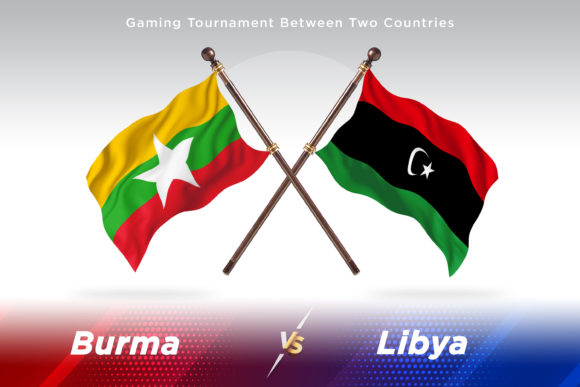
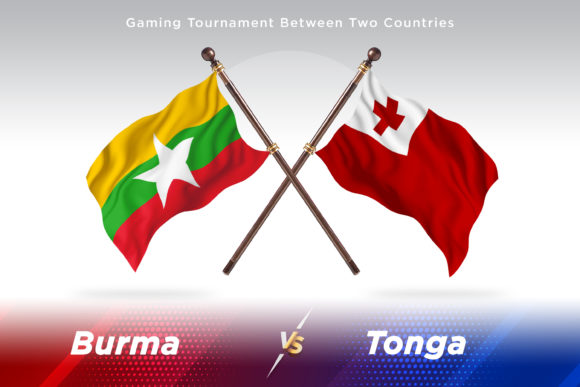
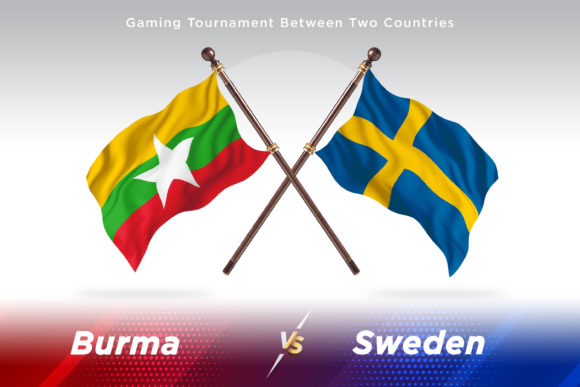
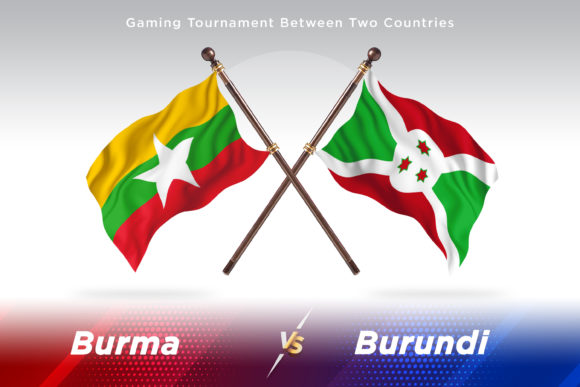
- Myanmar (Burma): Adopted in 2010, the modern flag features three horizontal stripes of yellow, green, and red. A large white, five-pointed star is superimposed directly over the center. The design is clean, symmetrical, and follows a classic tricolor structure.
- Burundi: Finalized in its current form in 1982, the flag is divided by a white diagonal cross known as a saltire. This cross creates four triangular sections. The top and bottom triangles are red, while the hoist-side and fly-side triangles are green. In the center, atop the white cross, sits a circle containing three red, six-pointed stars outlined in green.
The quickest visual shortcuts are the number of stars (one large star vs. three small stars) and the layout (horizontal stripes vs. a diagonal cross).
For the Traveler and Global Professional: Why Accuracy Matters
Picture yourself at a logistics conference or preparing a presentation for a new market. Flags function as shorthand for entire nations. Mistaking the flag of Burundi for that of Myanmar in a slide deck, or vice-versa, can signal a lack of due diligence or cultural awareness.
For the professional, the priority is reliability and accuracy. A simple mnemonic can prevent an awkward moment: Myanmar is horizontal, like a calm horizon. Burundi is diagonal, a dynamic, intersecting design. If you see three stars, you are almost certainly looking at Burundi. If you see one dominant star uniting broad bands of color, you are viewing Myanmar. This small piece of mental scaffolding can save you from a credibility hit in any international setting.
For the Designer and Creative: A Study in Composition
As a graphic designer, web creator, or vexillology enthusiast, you evaluate flags through the lens of aesthetics, flexibility, and presentation. These two flags offer contrasting lessons in design philosophy.
Myanmar: The Power of Minimalism
The Myanmar flag is a textbook example of a strong central charge on a tricolor background. It conforms beautifully to standard design principles: it is simple, meaningful, and highly recognizable. It scales exceptionally well. Whether rendered as a tiny emoji, a vector icon on a website, or a massive printed banner, the central star holds the composition together. For a web designer, this is a very "safe" flag to work with—it reduces cleanly and remains legible at any size.
Burundi: Complexity and Richness
Burundi's flag is more intricate. The saltire creates a dynamic, almost heraldic feel. The use of multiple stars is layered with symbolism (representing the national motto and historical unity). This complexity can be a challenge in digital design—the stars must remain large enough to be distinguishable, and the green and red triangles must have sufficient contrast.
Creative application: Imagine designing a cultural infographic comparing national symbols. Myanmar's flag works well as a bold, modular block. Burundi's flag, on the other hand, offers rich material for a deep-dive analysis. A fashion designer might extract the color blocking of the Burundi triangles for a geometric print, while a brand strategist could study the unifying effect of the single star on the Myanmar flag. Understanding these nuances helps you make better creative decisions and explain your choices to clients.
For the Educator and Student: Symbolism as a Gateway
For teachers and students, flags are a gateway to a country's story. They encode core values and historical struggles in a visual format. The learning value of comparing these two flags is substantial.
- Myanmar's Symbolism: The yellow stripe represents solidarity and the unity of all ethnic groups within the country. Green stands for peace, tranquility, and the lush landscape. Red symbolizes courage and decisive action. The white star represents the nation itself, a guiding light for the future. The 2010 design marked a deliberate break from the socialist past.
- Burundi's Symbolism: Red represents the blood shed during the struggle for independence. Green symbolizes hope for the future and the nation's agricultural wealth. White stands for peace, a precious commodity in the region's history. The three stars represent the national motto: "Unity, Work, Progress", and also historically reference the three main ethnic groups (Hutu, Tutsi, and Twa).
For a student writing a comparative government paper, these flags provide a tangible entry point. A teacher can use the visual similarities to hook students into a deeper discussion about how geography, colonial history, and modern politics shape national identity. The flags are not just symbols; they are primary source documents that reward careful study.
For the Content Creator and Marketer: Engaging Your Audience
Engagement is the currency of the internet. If you run a travel blog, a global trivia account, or a brand that celebrates world cultures, the comparison between Myanmar and Burundi is a natural piece of content. Your priority is creativity and commercial value.
Practical example for social media: Post a side-by-side image of both flags with a simple caption: "Two countries, two continents, one color palette. Can you tell which is which without looking up the answer?" This sparks immediate curiosity and drives comments.
Long-form content idea: Write a post or create a short video titled "5 Pairs of Flags You Keep Mixing Up (And How to Tell Them Apart)." Positioning this comparison as a solution to a common confusion provides huge utility to your audience. The visual difference is your hero shot—zoom in on the three stars of Burundi, then pan across the horizontal stripes of Myanmar. Make the distinction memorable and shareable. By helping your audience look smarter, you build trust and authority.
For the Entrepreneur, Small Business Owner, and Hobbyist: Practical Implications
Whether you are sourcing inventory or building a personal collection, the cost of a mistake can be high. Misprinted flags waste money, time, and materials.
Merchandise and Production
If you are a small business owner creating custom banners for an international festival or school event, always request a vector proof (SVG or EPS) before production. A good supplier will use standardized Pantone colors for accuracy. For Myanmar, the exact shade of yellow and the proportions of the central star matter. For Burundi, the angle of the saltire and the precise placement of the three stars must be verified. Your priority here is quality, cost control, and ease of implementation. Double-checking the proof against an official government source can save you from a costly reprint.
Collection and Authentication
For the dedicated hobbyist or flag collector, the distinction represents a fascinating case study. The modern Myanmar flag, adopted in 2010, replaced an older design with a blue canton and gear symbol. Collectors often seek both versions. Burundi's flag, refined in the 1980s, maintains a direct link to its independence era. The hobbyist's priority is long-term usefulness and historical context. Knowing the precise adoption dates, shade variations, and construction details (such as the diameter of the central circle relative to the flag's width) is what separates a casual observer from a true enthusiast.
Finding the Right Fit for Your Needs
Whether you are a seasoned diplomat, a curious student, a creative professional, or a business owner, the flags of Myanmar and Burundi offer far more than a quick visual comparison. They represent distinct identities, unique histories, and different design philosophies. The horizontal unity of Myanmar’s tricolor speaks to a modern, unified vision. The intricate, balanced division of Burundi’s saltire reflects a deep history and a layered national identity.
Next time you see a flash of red, green, and yellow, you will know exactly where to look. The stars will guide you—literally. One star points toward Southeast Asia and a minimalist design ethos. Three stars point toward the African Great Lakes and a heraldic tradition rich in symbolism. Knowing which one you are looking at is not just about being correct; it is about appreciating the story behind the symbol. Choose your perspective based on your project, your curiosity, or your professional needs, and you will find that every flag has a deeper layer waiting to be understood.