Burma Versus Canada Two Flags: Design, Symbolism, and Cultural Significance
When you place the national flags of Burma and Canada side by side, the visual differences are immediately striking. One bursts with bold primary colours and a dynamic geometric pattern, while the other offers a clean, minimalist silhouette defined by a single, iconic leaf. Yet a deeper look at Burma Versus Canada Two Flags reveals more than just aesthetic contrast—it uncovers two distinct stories of national identity, colonial history, and modern reinvention. For travellers, designers, students of vexillology, or anyone curious about global symbolism, understanding what each flag represents goes well beyond simple recognition.
The Visual Identity of Each Flag
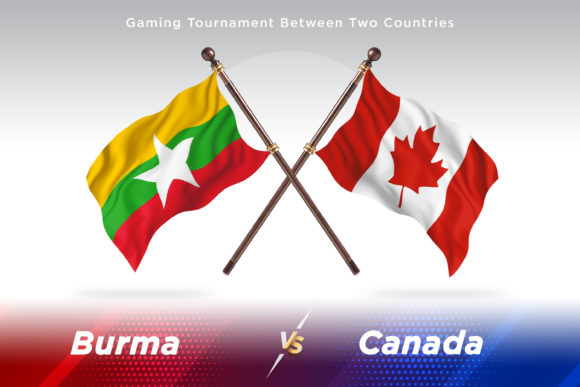
The national flag of Burma—officially known as Myanmar since 1989—was adopted in 2010 after decades of political transition. It consists of three horizontal stripes of yellow, green, and red, with a large white five-pointed star at the centre. The colours are bold and unapologetic. Yellow stands for solidarity, green for peace and tranquillity, and red for courage and decisiveness. The white star symbolises the unity of the country’s many ethnic groups, a message that carries heavy weight in a nation long marked by internal conflict.
Canada’s flag, by contrast, is one of the most recognisable in the world. Often called the Maple Leaf Flag, it features a vertical red field on each side with a central white square bearing a stylised 11-point maple leaf in red. The simplicity is deliberate. The red and white were designated as Canada’s national colours in 1921 and carry royal associations from both France and England. The maple leaf, meanwhile, has been a symbol of Canadian identity since the 1700s. When you examine Burma Versus Canada Two Flags from a purely design perspective, you are essentially comparing a flag built on layered, ethnic symbolism against one built on clean, unifying minimalism.
Historical Context Behind the Designs
The current flag of Burma replaced the previous version that had been in use since 1974 under the socialist government. That older flag featured a red field with a blue canton containing a cogwheel and rice stalk—symbols of industry and agriculture—surrounded by 14 stars representing the country’s states and regions. The 2010 redesign was intended to signal a fresh start, even as the nation continued to face political turmoil. The choice of yellow, green, and red echoed colours used by the anti-colonial resistance during the struggle for independence, giving the new flag a sense of historical continuity while breaking from the immediate socialist past.
Canada’s flag story is markedly different. Before 1965, Canada used the Canadian Red Ensign, a flag that incorporated the Union Jack and the coat of arms of Canada. The debate over adopting a new flag was passionate and divisive. Many wanted to keep the colonial connection, while others argued that Canada needed a distinct national symbol. Prime Minister Lester B. Pearson pushed hard for a new design, and after months of parliamentary debate, the Maple Leaf Flag was raised for the first time on February 15, 1965. That day is now celebrated as National Flag of Canada Day. In the context of Burma Versus Canada Two Flags, the timeline alone shows how political change and national identity are literally stitched into the cloth.
Symbolism and National Values
Flags are never just cloth. They are public declarations of what a nation values—or aspires to value. In Burma, the tricolour and star are meant to project unity and courage in a country that has experienced decades of ethnic tension and military rule. The white star is particularly significant. Burma is home to over 135 officially recognised ethnic groups, and the star is a visual promise—however aspirational—that these groups belong within one nation. For citizens who live overseas or who advocate for democratic reform, the flag carries emotional weight as a symbol of both hope and struggle.
Canada’s flag projects a different kind of national character. The maple leaf is not a political symbol; it is a natural one. It suggests openness, tolerance, and connection to the land. The symmetry of the design reflects a preference for order and fairness. Internationally, the Canadian flag is often associated with peacekeeping, diplomacy, and multiculturalism. This global reputation makes the flag instantly recognisable and generally well-regarded. When you consider Burma Versus Canada Two Flags as symbols of national values, one represents a nation still striving for internal harmony, while the other represents a nation that has largely achieved a stable, inclusive identity on the world stage.
Practical Uses and Display Considerations
For individuals and organisations that need to display both flags together—perhaps at an international conference, a cultural festival, or a diplomatic event—there are practical factors to consider. The Burmese flag features a more complex colour palette. Getting the exact shades of yellow, green, and red right matters for official use. The Canadian flag, with its two red bands and central white stripe, is simpler to reproduce accurately, but the proportions must be precise. The official ratio of the Canadian flag is 1:2, while the Burmese flag uses a 2:3 ratio. When flying Burma Versus Canada Two Flags side by side, these differences in aspect ratio can affect how they appear together on poles of equal height.
Durability is another practical factor. The Burmese flag, with its multiple colour sections, may require more careful manufacturing to prevent colour bleeding or fading, especially in harsh sunlight. The Canadian flag, with fewer colour transitions, is generally easier to produce in weather-resistant materials. However, both flags are widely available from international flag suppliers, and high-quality versions are accessible for institutional buyers. For personal use—such as collecting, decorating, or educational display—both flags are relatively affordable and come in standard sizes.
Cultural Sensitivity and Etiquette
Displaying any national flag requires a degree of cultural awareness. In Burma, the flag is treated with deep respect, and any misuse—such as letting it touch the ground or using it as clothing—can be seen as offensive. The country has laws governing flag etiquette, and citizens are generally careful to honour it. In Canada, flag etiquette is more relaxed but still meaningful. The Canadian flag should always be flown on its own pole and not be draped or used for commercial purposes in a way that degrades its dignity. When displaying Burma Versus Canada Two Flags together, it is standard practice to place them at the same height and on poles of equal size to show mutual respect. If flown indoors, the Canadian flag typically takes the position of honour to the right, while the host nation’s flag—depending on the event—may take precedence.
Modern Relevance and Global Recognition
In today’s interconnected world, both flags appear in contexts far beyond their borders. The Canadian flag is widely used in travel, tourism, and international business. Canadians travelling abroad often sew a patch of the flag onto their backpacks, partly out of pride and partly because the flag’s positive reputation can open doors or create a friendly impression. The Burmese flag, while less globally recognised, has gained visibility as Myanmar has opened up to tourism and investment in recent years. Visitors to the country often photograph the flag at government buildings, pagodas, and border crossings. For those studying Burma Versus Canada Two Flags from a marketing or branding perspective, the Canadian flag is a masterclass in simplicity and memorability, while the Burmese flag offers a richer palette and a more complex storytelling opportunity.
Social media and digital design have also changed how flags are used. Emoji versions of both flags are widely available on smartphones and platforms, making them part of everyday digital communication. The Canadian flag emoji is among the most used flag emojis globally. The Burmese flag emoji is less common but still present, especially in posts about travel, news, or diaspora communities. For designers or content creators working with Burma Versus Canada Two Flags in digital projects, the colour contrast between the two is useful. The warm tones of the Burmese flag—yellow, green, and red—stand out against cooler backgrounds, while the stark red-and-white of the Canadian flag works well in minimalist designs or on white space.
Which Flag Is More Distinctive?
Distinctiveness is subjective, but objective measures exist. The Canadian flag is frequently cited by vexillologists as one of the best-designed flags in the world because of its simplicity, recognisability, and lack of text or complex imagery. The maple leaf is unique—no other national flag uses a leaf as its primary symbol. The Burmese flag, while distinctive in its colour combination, shares the tricolour-and-star format with several other flags, including those of Senegal, Cameroon, and Ghana. That said, the specific shade of yellow in the Burmese flag and the centred star give it its own character. When evaluating Burma Versus Canada Two Flags for distinctiveness, Canada wins on uniqueness, but Burma wins on symbolic complexity and cultural depth.
Common Mistakes People Make
One frequent error is confusing the current Burmese flag with the previous version. The old flag with the blue canton and cogwheel is still sometimes used in older textbooks or vintage materials. Anyone researching Burma Versus Canada Two Flags should ensure they are comparing the current design, especially since the 2010 change is relatively recent in flag history. Another mistake is assuming the Canadian flag has always been the same. Many people are surprised to learn the Maple Leaf Flag is only about sixty years old. For historical accuracy, it helps to understand that both flags have undergone significant changes within living memory.
A third common error involves colour interpretation. Some observers think the red in the Canadian flag represents blood or sacrifice, but its official meaning is tied to heraldry and national colours rather than literal symbolism. Similarly, the white star on the Burmese flag is sometimes misinterpreted as representing only the military or the government, when in fact it is intended to represent all ethnic groups. Taking time to understand the official meanings behind each element adds depth to any comparison of Burma Versus Canada Two Flags.
Final Observations on Both Flags
Flags are living symbols. They change as nations change, and they carry the hopes, struggles, and identities of the people they represent. The contrast between Burma and Canada in this regard is striking. Canada’s flag speaks to a stable, relatively young nation that has found a powerful visual shorthand for its identity. Burma’s flag speaks to a nation still in the process of defining what unity means and how to represent it. Neither flag is better than the other—they simply exist at different points in their national stories. For anyone exploring Burma Versus Canada Two Flags, the most rewarding approach is to appreciate each flag on its own terms, while also recognising what the comparison reveals about the wider world of national symbolism.
Whether you are designing an infographic, planning an international event, teaching a geography class, or simply satisfying your own curiosity, taking the time to understand the details behind these two flags enriches your perspective. The colours, the history, the cultural weight—all of it matters. And the next time you see these two flags flying side by side, you will know exactly what you are looking at.