Bulgaria vs Uzbekistan Flags: A Side-by-Side Look
Flags are more than pieces of fabric—they carry stories, values, and identities. When you put the flag of Bulgaria and the flag of Uzbekistan side by side, you see two designs that reflect very different histories and priorities. Whether you are a traveler trying to recognize them, a designer planning a project, or an educator explaining national symbols, knowing what each flag represents helps you appreciate both the similarities and the contrasts. This article breaks down the Bulgarian versus Uzbek flags in a practical way, so you can decide what matters most for your own context.
What Do the Two Flags Look Like?
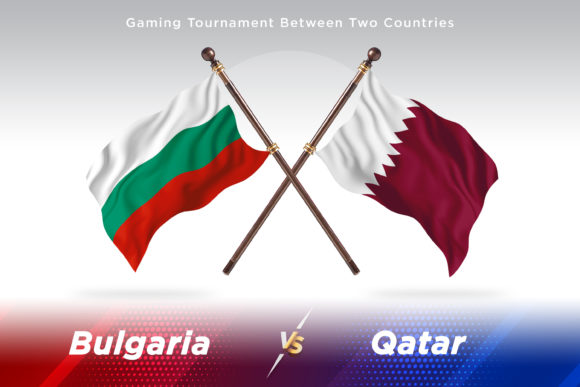
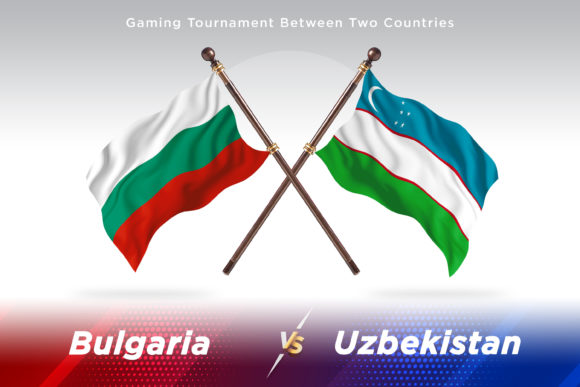
Bulgaria’s flag consists of three equal horizontal bands: white on top, green in the middle, and red at the bottom. The design is clean, simple, and follows the classic tricolor pattern common in Eastern Europe. Uzbekistan’s flag, on the other hand, is more complex. It has three horizontal stripes of light blue, white, and light green, separated by narrow red lines. Near the top left, you see a white crescent and twelve white stars. The layout is richer in detail and symbolism.
When people talk about “Bulgaria Versus Uzbekistan Two Flags,” they are usually comparing the two in terms of design, ease of recognition, cultural meaning, and practical use. Different audiences care about different aspects, so let’s walk through them.
Why Different People Care About This Comparison
You might look at these flags through the lens of your own work, hobby, or curiosity. Here are some typical perspectives:
- Educators and students often want to understand the historical and political symbolism behind each flag. Bulgaria’s white stands for peace, green for fertile land, and red for the blood spilled for independence. Uzbekistan’s blue symbolizes the sky and water, white represents peace, green nature, and the crescent and stars connect to Islamic heritage and the 12 months of the calendar or zodiac signs.
- Graphic designers and content creators evaluate the flags for color palettes, reproduction ease, and visual impact. The Bulgarian flag is straightforward to recreate in any medium—print, web, embroidery. The Uzbek flag requires more care: the red lines must be thin and precise, and the stars need to be arranged correctly.
- Small business owners and event planners might need flags for international ceremonies, product launches, or cultural festivals. Cost and durability become priorities. Bulgaria’s tricolor is cheaper to manufacture at scale. Uzbekistan’s flag may cost more for custom reproduction, but it offers a distinctive and rich look that can impress at diplomatic or themed events.
- Travelers and hobbyists (especially vexillologists) care about recognition speed and reliability. Bulgarian flag is easy to identify from a distance due to its bold, simple bands. The Uzbek flag is slower to recognize because the stars and details require a closer look, but once known, it becomes highly memorable.
- Entrepreneurs and marketers may use flags in branding, presentations, or merchandise. The Bulgarian flag’s simplicity works well for minimalist designs or quick association. The Uzbek flag offers more creative elements—the crescent and stars give you options for variation without losing identity.
Priorities That Shape Your Choice
No single flag is “better.” What matters is how well it matches your specific goals and constraints. Below are the main criteria that different users weigh.
Ease of Use and Speed of Reproduction
If you need to print flags in large numbers, say for a conference or a street parade, the Bulgarian flag is a no‑brainer. Three horizontal bands—any printer or seamstress can produce it reliably. The Uzbekistan flag demands more precision. The red dividing lines are thin (typically one‑fifth the width of a stripe), and the crescent and stars must be correctly positioned and proportioned. For a one‑off project or a digital graphic, that extra effort is minor. For mass production, it adds time and cost.
Example: A small business owner in Sofia wants to put Bulgarian flags on tabletop stands for a food festival. They can source plain tricolor flags at low cost and have them ready in two days. A similar Uzbek flag might require a specialized supplier and take a week.
Quality and Presentation
In formal settings, precision matters. Official flag protocols require exact colors and proportions. Bulgaria uses a specific shade of green and red (often based on Pantone). Uzbekistan’s flag has a light blue that should not be too dark, and the stars must have a set size and orientation. If you are creating flags for an embassy, a museum exhibit, or a high‑end cultural event, you need to invest in accurate, high‑quality reproduction. Here, the two flags are equal in terms of complexity—both require careful quality control, but Uzbekistan’s demands more attention to detail.
Flexibility for Creative Use
Designers and creators may want to use flag elements in logos, apparel, or digital art. The Bulgarian flag is versatile: you can use just the green and red as accent colors, or incorporate the striped pattern into a background. The Uzbek flag gives you more iconography: the crescent and stars can stand alone as symbols, and the blue‑white‑green gradient works beautifully in modern designs. If you need inspiration for a creative project, the Uzbek flag offers richer raw material.
Example: A graphic designer building a travel poster for Central Asia could place the crescent and stars over a landscape—instantly evoking Uzbekistan. For a Bulgarian travel poster, they might simply use the three stripes as a stylized horizon.
Learning Value and Cultural Depth
For educators and lifelong learners, the comparison is a mini‑lesson in geography and history. Bulgaria’s flag reflects its Slavic and Balkan identity—simple, durable, tied to the land. Uzbekistan’s flag tells a story of Soviet heritance, Islamic tradition, and a young republic’s hopes. Explaining both flags in a classroom or a blog post gives learners a framework for understanding how nations choose symbols that resonate with their people. The learning value is high for both, but the Uzbek flag offers more layers—each star and stripe has a deliberate reason.
Commercial and Long‑Term Usefulness
If you are a publisher or a merchandise maker, which flag would you invest in? Bulgaria’s flag is timeless for its simplicity—it will never go out of style. Uzbekistan’s flag is equally stable (national flags change rarely), but its complexity might limit its use in low‑resolution contexts (like small icons or cheap pins). For high‑quality products—ties, scarves, lapel pins—the Uzbek design stands out as more exclusive. Bulgaria’s flag is better for budget‑friendly souvenirs like keychains or stickers.
How to Decide Which Flag Suits Your Needs
- You are a beginner or occasional user (e.g., a student doing a project, a traveler buying a small flag): Choose Bulgaria if you want something instantly recognizable and easy to handle. Choose Uzbekistan if you enjoy details and want a conversation starter.
- You are a professional (e.g., a event organizer, a diplomat, a publisher): Prioritize accuracy and protocol. Both flags require the same care from a professional standpoint, but you should budget more for Uzbekistan’s flag to ensure quality.
- You are a creator (e.g., a designer, a filmmaker, a writer): Uzbekistan’s flag gives you more visual and narrative material. Its crescent and stars can be used independently in motifs. Bulgaria’s flag works best when you need minimalism or a bold color block.
- You are an educator: Use both flags together to teach contrast—simple versus complex symbolism, European versus Central Asian geography, communist past versus independent present. The pairing is a powerful teaching tool.
- You are a business owner (e.g., a restaurant, a hotel, a trade company): Match the flag to your audience and setting. A Bulgarian‑themed restaurant might use the tricolor in its décor. A travel agency specializing in Central Asia would benefit from the sophisticated look of Uzbekistan’s flag.
Reliability and Recognition in Real Life
One practical aspect you might not think about: how often do people confuse these flags? Bulgaria’s flag is often mixed up with Hungary’s (which is red‑white‑green but horizontal) or the Netherlands (red‑white‑blue). Uzbekistan’s flag is more distinct—no other country uses exactly that layout. If you need a flag that stands out in a crowd of similar tricolors, Uzbekistan wins on uniqueness. However, Bulgaria’s simplicity makes it easier to spot at a distance. In a stadium full of flags, a simple tricolor is faster to identify than a detailed one.
Bringing It All Together
Bulgaria versus Uzbekistan two flags is not a competition—it is a comparison that helps you choose based on your own priorities. Maybe you care about cost and speed; then go with Bulgaria. Maybe you care about storytelling and distinctiveness; then Uzbekistan offers more depth. Most people will find both flags interesting for different reasons. Understanding the trade‑offs lets you use the right flag for the right moment.
When you look at Bulgaria’s white, green, and red, you see a nation rooted in agriculture and sacrifice. When you look at Uzbekistan’s blue, white, green, crescent, and stars, you see a country reaching for its future while honoring its heritage. Both are beautiful in their own right. Your job is simply to decide which one fits your task, your audience, and your vision.