Bulgaria vs Swaziland (Eswatini) Flags: A Detailed Comparison of Design, History, and Symbolism
Flags are far more than colorful pieces of fabric. They condense centuries of history, cultural identity, and national ambition into a single visual statement. For a general reader, comparing two flags from different continents—such as Bulgaria and Swaziland (now officially Eswatini)—offers a fascinating window into how geography, politics, and tradition shape national symbols. This article breaks down everything you need to know about the Bulgarian and Swazi flags: their origins, meanings, design differences, and why understanding them matters in a globally connected world.
Why Compare Bulgaria and Eswatini?
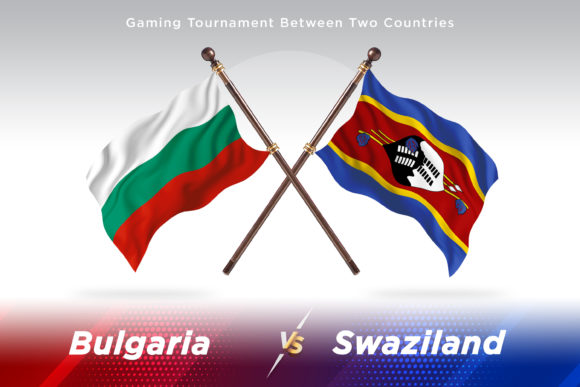
At first glance, the flags of Bulgaria (a European nation in the Balkans) and Eswatini (a small kingdom in Southern Africa) appear entirely unrelated. Bulgaria’s flag uses a simple tricolor of white, green, and red. Eswatini’s flag features a bold shield, feathers, and horizontal stripes of blue, yellow, and red. Yet comparing them reveals deeper truths about how countries express sovereignty, unity, and heritage. For travelers, students of political science, or anyone curious about world cultures, understanding these differences helps build a more nuanced view of global identity.
Flags are shorthand for a nation's story. Learning to "read" them enriches our understanding of history and current events.
Design Overview
The flag of Bulgaria consists of three equal horizontal bands: white on top, green in the middle, and red on the bottom. This tricolor layout is straightforward, but its symbolism and history are layered.
Historical Evolution
Bulgaria’s current flag was officially adopted on November 22, 1990, after the fall of the communist regime. However, the tricolor design dates back to the 19th century during the Bulgarian National Revival. The original flag, used in the 1870s, was similar but with different shades and sometimes included a coat of arms. The post-communist version removed the communist emblem, returning to the classic tricolor as a symbol of democratic renewal.
Symbolism and Meaning
- White – Represents peace, freedom, and the purity of the Bulgarian spirit. It also recalls the age-old desire for independence from Ottoman rule.
- Green – Symbolizes the rich agricultural land, forests, and the natural beauty of Bulgaria. It also reflects hope and fertility.
- Red – Stands for the courage, sacrifice, and blood shed by those who fought for Bulgarian sovereignty.
Together, the three colors evoke the national motto: Unity is strength. The flag is a reminder of Bulgaria’s resilience through centuries of foreign domination, war, and political change.
Common Misunderstandings
Some people mistake the Bulgarian flag for the flags of Hungary or Italy because all three use vertical or horizontal tricolors. However, Bulgaria’s arrangement (white-green-red horizontally) differs from Hungary’s (red-white-green horizontally) and Italy’s (green-white-red vertically). A quick mnemonic: Bulgaria begins with "B" and its top stripe is "white" like the Balkan snows.
Design Overview
The flag of Eswatini (formerly Swaziland) is one of the most distinctive national flags in Africa. It features horizontal stripes of blue, yellow, red, yellow, and blue (from top to bottom). At the center sits a traditional Swazi shield and two spears, framed by a background of black and white feathers.
Historical Evolution
Adopted on October 30, 1967—just before independence from British rule on September 6, 1968—the flag was designed to reflect Swazi heritage and the authority of the monarchy. The flag has remained unchanged after the country’s renaming from Swaziland to Eswatini in 2018, as the design still represents the same kingdom and people.
Symbolism and Meaning
- Blue – Represents peace and stability. The blue bands frame the flag, symbolizing the importance of harmony in Swazi society.
- Yellow – Stands for the mineral wealth of Eswatini, particularly its coal and iron ore deposits, as well as the nation’s sunny climate.
- Red – Symbolizes the blood shed during the country’s struggles for independence and protection of its territory.
- The Shield and Spears – Represent defense and readiness to protect the nation. The shield is a traditional Swazi warrior shield made from oxhide.
- Black and White Feathers – These are ligwalagwala feathers (from the lilac-breasted roller bird) worn by the king and nobles. They signify royal authority and the continuity of the monarchy.
The entire design is a powerful statement of national pride, warrior tradition, and monarchical continuity. Unlike many modern flags that use abstract symbols, Eswatini’s flag directly depicts cultural artifacts still used in ceremonies today.
Common Misunderstandings
A frequent assumption is that the shield and spears imply aggression. In reality, they symbolize defense and sovereignty, not offense. Also, because the country changed its name from Swaziland to Eswatini in 2018, some people mistakenly believe the flag changed too—but it remains identical.
Head-to-Head Comparison: Bulgaria vs Eswatini Flags
| Aspect | Bulgaria | Eswatini (Swaziland) |
|---|---|---|
| Adoption Date | November 22, 1990 (original 19th century) | October 30, 1967 |
| Colors | White, Green, Red | Blue, Yellow, Red, Black, White |
| Pattern | Horizontal tricolor | Horizontal stripes with central emblem |
| Symbols | None (plain tricolor) | Shield, spears, feathers |
| Primary Meaning | Freedom, nature, sacrifice | Defense, royalty, peace, wealth |
| Type of Government | Parliamentary republic | Absolute monarchy |
| Continent | Europe | Africa |
Visual Contrasts
The Bulgarian flag is an example of classic European tricolor design—clean, abstract, and focused on universal values like peace and courage. The Eswatini flag, by contrast, belongs to the African tradition of emblematic flags that include cultural objects, wildlife, or ceremonial gear. This makes the Swazi flag instantly recognizable but also more complex to reproduce.
Practical Relevance: Why This Comparison Matters Today
Understanding the differences between these two flags has several real-world applications:
- Travel and tourism – If you visit Sofia or Mbabane, knowing the flag helps you engage respectfully with local customs.
- International business – Companies sourcing goods from Bulgaria or Eswatini benefit from showing cultural awareness, including correct flag usage.
- Education and civics – Comparing flags teaches students how geography, history, and governance shape national identity.
- Digital content and media – Websites, news articles, and social media often need accurate flag images and context. Avoiding mix-ups (e.g., confusing the Bulgarian flag with the Hungarian one) matters for credibility.
Broader Context: What Flags Tell Us About a Nation
Flags fit into modern life in subtle but significant ways. They appear on government buildings, sports uniforms, currency, passports, and digital platforms. In a globalized world, flags are among the few symbols that still carry strong emotional and legal weight. Misrepresenting a flag can be seen as disrespectful, especially in countries like Eswatini where the flag directly represents the monarchy and traditional authority.
From a design perspective, Bulgaria and Eswatini illustrate two major flag traditions: the European abstract-symbolic style and the African representational style. Neither is "better"—each is perfectly adapted to the country's cultural expression. Bulgaria’s flag emphasizes unity and abstract ideals, while Eswatini’s flag centers on concrete symbols of power and heritage.
Why did Swaziland change its name to Eswatini?
King Mswati III renamed the country in 2018 to reflect the original Swazi name for the nation, meaning "land of the Swazis." The flag, however, was not changed because it already represented the kingdom and its people under the same monarchy.
Do Bulgaria and Eswatini have any historical connection?
No direct historical ties exist. Bulgaria is a Balkan nation with a Slavic and Thracian heritage, while Eswatini is a Bantu-speaking kingdom in Southern Africa. Their flags developed independently from completely different cultural contexts.
Which flag is older in its current form?
Eswatini's flag (1967) is older in its current continuous use. Bulgaria's current flag design dates only to 1990, although the tricolor itself dates to the 1870s. Both flags are relatively modern compared to longest-serving flags like Denmark's (1219).
Conclusion: Seeing Flags Through a Wider Lens
Comparing the flags of Bulgaria and Eswatini reveals how two nations separated by thousands of miles and vastly different histories have created symbols that speak directly to their identity. Bulgaria’s tricolor whispers of independence, peace, and natural wealth. Eswatini’s shield and feathers proclaim the enduring power of monarchy and the warrior spirit.
Whether you are a student, a traveler, or simply someone curious about the world, learning to see flags as cultural documents rather than mere decorations deepens your understanding of global affairs. Next time you spot the white-green-red of Bulgaria or the striking shield of Eswatini, you will recognize not just a flag but a story—one that took centuries to write and continues to evolve.
Key takeaway: The Bulgarian flag is a textbook example of European tricolor abstraction, while the Eswatini flag is a vivid African emblem of monarchy and tradition. Both are beautiful, both are meaningful, and both deserve to be understood on their own terms.