Bulgaria Versus Togo Two Flags: A Visual and Symbolic Comparison
Flags are far more than pieces of fabric; they are condensed stories of a nation’s history, values, and aspirations. When exploring Bulgaria Versus Togo Two Flags, we encounter two distinct visual languages that, at first glance, share little in common—yet both carry deep cultural weight. Bulgaria’s tricolor design and Togo’s Pan-African layout each serve unique purposes, yet comparing them offers valuable insights for designers, educators, travelers, and business owners who work with national symbols. Understanding these flags goes beyond simple recognition; it opens the door to informed use in branding, education, and cultural exchange.
The Visual Identity of Each Flag
The most immediate difference between Bulgaria and Togo lies in their color schemes and structural patterns. Bulgaria uses a classic horizontal tricolor, while Togo employs a more complex arrangement with stripes and a canton. Examining each in detail reveals not only aesthetic choices but also the principles behind them.
Bulgaria’s Tricolor Design
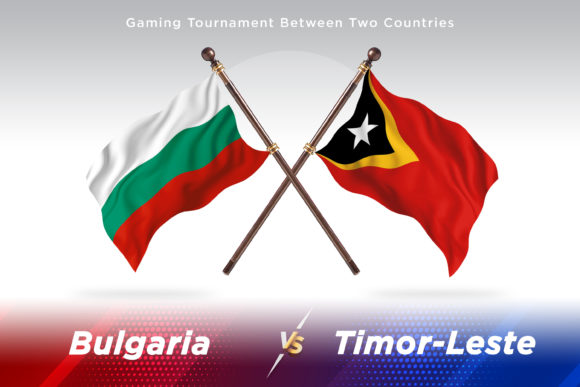
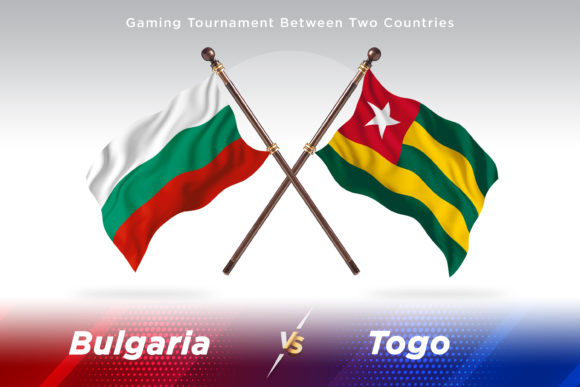
Bulgaria’s national flag consists of three equal horizontal bands: white at the top, green in the middle, and red at the bottom. This layout, officially adopted in its current form in 1991, is traditional and straightforward. The proportions are 3:5, and the colors are fixed by law to maintain consistency. The white represents peace and freedom, green symbolizes the fertility of the Bulgarian land and its forests, and red stands for the courage and sacrifice of the people. While many European tricolors exist, Bulgaria’s sequence (white-green-red) is distinctive because the green band appears in the center, unlike the more common blue-white-red patterns of its neighbors. This makes the Bulgarian flag instantly recognizable among Slavic and Balkan flags, a key consideration for anyone working with regional identity.
Togo’s Pan-African Inspired Layout
Togo’s flag, adopted in 1960, is far more intricate. It features five horizontal stripes alternating green and yellow (starting with green at the top) and a red square canton in the upper hoist side, containing a white five-pointed star. The proportions are 1:1.618, closely following the golden ratio, which gives the flag a balanced, harmonious appearance. The green stripes symbolize agriculture and hope, the yellow represents the country’s mineral wealth and the savanna, the red stands for the blood shed during the struggle for independence, and the white star embodies purity, peace, and national unity. The design echoes the Pan-African colors used by many nations across the continent, but Togo’s use of a canton with a star is unique—it visually resembles the Liberian flag in structure but employs a different color arrangement. Recognizing this is crucial for those dealing with African flags, as confusion between similar designs is common.
Symbolism and Meaning
Beyond the visual, the Bulgaria Versus Togo Two Flags comparison shines when unpacking their symbolic layers. Both flags use color to convey national identity, but the traditions behind those colors differ markedly. Bulgaria’s flag draws from the Slavic tricolor tradition, with green substituted for blue, reflecting the nation’s agricultural heritage and its geographical green landscapes. Togo’s flag, by contrast, uses the Pan-African palette of green, yellow, and red, linking it to a broader continental movement of liberation and unity. For a designer or historian, this contrast highlights how flags can simultaneously express national uniqueness and regional belonging. The star on Togo’s flag, a single white star, is a powerful motif of hope and independence; Bulgaria has no such emblem, relying solely on the vivid bands to tell its story. This difference influences how the flags are perceived in contexts like branding: Bulgaria’s flag is more abstract and geometric, suitable for minimalist designs, while Togo’s flag offers more visual complexity and narrative depth, which can be leveraged in educational materials or cultural showcases.
Where These Flags Are Used
Both flags are used in a wide range of settings, and understanding their applications helps determine when each is appropriate. Bulgaria’s flag flies daily on government buildings, is displayed during national holidays such as March 3 (Liberation Day), and appears at international events, embassies, and sporting competitions. It is also commonly used by Bulgarian businesses, in tourism marketing, and on digital platforms that require country identifiers. Togo’s flag plays a similar role for its nation: it is present at official ceremonies, United Nations assemblies, African Union meetings, and in diaspora communities worldwide. For a professional creating a global dataset, a travel app, or a cultural exhibition, both flags must be rendered accurately in terms of colors, proportions, and orientation. Mistakes—such as misordering the stripes or using the wrong shade of green—can undermine the credibility of a project. Educational resources comparing Bulgaria Versus Togo Two Flags can help learners and creators avoid these pitfalls.
Practical Considerations for Display and Design
When using either flag in physical or digital media, several practical details deserve attention. For Bulgaria, the official colors are white (Pantone White), green (Pantone 354 C or similar process green), and red (Pantone 032 C). The green and red are vibrant but not overly saturated, so digital renderings should use clear, unblended RGB values to maintain clarity. Togo’s flag requires careful attention to the canton: the red square must be exactly one quarter of the flag’s area, and the white star must be centered and proportionate. The green stripes (Pantone 355 C) and yellow stripes (Pantone 116 C) should alternate correctly, with green on top. For web designers, using SVG vectors is recommended to ensure scalability without distortion. In physical printing, the golden ratio aspect ratio of Togo’s flag (1:1.618) is unusual and may need custom sizing, whereas Bulgaria’s 3:5 is more standard. These technicalities matter for anyone producing flags for events, merchandising, or digital interfaces.
Strengths and Limitations for Different Applications
Each flag has inherent strengths and limitations depending on the context. Bulgaria’s tricolor excels in simplicity and speed of recognition. It is easy to reproduce, works well at small sizes, and is unlikely to be misidentified if the color sequence is correct. However, its similarity to other green-white-red tricolors (like Hungary or Italy, though with different sequences) means it can be confused by those unfamiliar with European flags. Togo’s flag, while distinctive, is more complex: the stripes and canton require more pixels or physical space to be legible, and the star may disappear if scaled down too much. On the positive side, Togo’s design is highly memorable due to its unique combination of stripes and a star canton, making it stand out in a sea of horizontally striped flags. For a logo designer considering a geographic theme, Togo’s flag offers more visual hooks—such as the star as a central emblem—while Bulgaria’s flag lends itself to clean, modern aesthetics.
Who Benefits from Understanding These Flags
The Bulgaria Versus Togo Two Flags comparison is particularly valuable for several groups. Graphic designers and web developers who create international interfaces need accurate flag renderings and an understanding of cultural sensitivities. Vexillologists (flag enthusiasts) will appreciate the contrasting design philosophies: one rooted in European tricolor tradition, the other in Pan-African symbolism. Students of geography, history, and political science can use this comparison to explore how national identity is encoded in visual forms. Business owners involved in import/export, tourism, or cultural events between Europe and Africa may find it useful to display both flags correctly when hosting international clients. Even travelers who visit Bulgaria or Togo gain a deeper appreciation of the local culture by knowing what the colors represent. For anyone assembling a global flag library, mastering the differences between these two examples ensures accuracy and respect.
Real-World Scenarios and Applications
Imagine you are building an educational app for children that teaches flag recognition. You decide to pair Bulgaria and Togo in a quiz because they look nothing alike—Bulgaria is simple and horizontal, Togo is striped with a star. This contrast helps learners easily differentiate them. Or consider a travel blog covering lesser-known destinations: comparing the flags visually and symbolically adds depth to an article, making it more engaging. A second scenario involves a European company opening a branch in West Africa. They might brand their office with both national flags to symbolize partnership, but they need to order precisely matched flags from a supplier. Knowing the exact Pantone codes and aspect ratios prevents costly errors. Event planners organizing a multicultural festival could use both flags as backdrops for food stalls representing Bulgarian and Togolese cuisine—understanding the symbolism allows them to explain the flags to curious visitors, enhancing the educational aspect of the event. In each case, the comparison is not merely academic; it has practical, real-world value.
Evaluating Suitability for Your Project
When deciding which flag to feature in a design or presentation, evaluate the project’s goals. If you need a clean, universal icon for “country” that works well in small thumbnails, Bulgaria’s flag is a strong choice due to its simplicity. If you want to convey cultural richness and a narrative of independence, Togo’s flag offers more visual storytelling. Additionally, consider the audience. For a European audience, Bulgaria’s flag will likely be more familiar; for a global or African-focused audience, Togo’s flag may spark curiosity. In a direct comparison like this article, both flags benefit from being shown side by side. Always use official specifications: consult Flags of the World or national government sources to verify colors and proportions. For digital use, employ vector formats (SVG, EPS) to ensure crispness at any size. Finally, respect the cultural significance: never use a national flag in a disrespectful manner, and always provide context when comparing or displaying them together. By following these guidelines, you can leverage Bulgaria Versus Togo Two Flags effectively in your work, whether for education, design, or business.
In summary, the Bulgaria and Togo flags offer a fascinating study in contrast and symbolism. Bulgaria’s tricolor speaks to peace, nature, and courage in a simple, timeless design. Togo’s striped flag with a star represents hope, agriculture, and independence, rooted in Pan-African solidarity. Understanding both enriches our global perspective and equips us with the knowledge to use them correctly. Whether you are a professional, a creator, or simply a curious reader, appreciating these two flags is a step toward more informed and respectful engagement with the world’s diverse national symbols.