Brunei vs Kyrgyzstan Flags: Design and Meaning
Flags are more than fabric—they carry identity, history, and values. When you place the national flags of Brunei and Kyrgyzstan side by side, you see two very different visual languages. One is rich with Islamic symbolism and royal heritage; the other draws from nomadic traditions and natural landscapes. Understanding the Brunei versus Kyrgyzstan two flags comparison helps you appreciate how design choices reflect national character. For educators, designers, travelers, and marketers, this comparison offers practical insights into cultural expression, color theory, and symbolic communication.
What the Brunei Flag Communicates
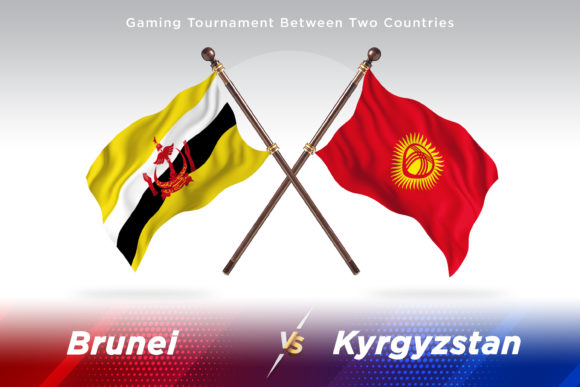
The flag of Brunei features a yellow field with white and black diagonal stripes running from the upper hoist to the lower fly. At the center sits the national crest—a crescent moon, a parasol, and two upraised hands. Yellow in Southeast Asian heraldry traditionally represents royalty, and Brunei’s flag makes this connection explicit. The crescent symbolises Islam, the state religion, while the parasol signifies royal authority. The hands suggest the government’s duty to protect the people and uphold justice.
For anyone studying flag design or working in cross-cultural communication, the Brunei flag demonstrates how colour placement and centralised symbolism can reinforce a single governing idea—monarchy grounded in faith. Marketers creating content for Southeast Asian audiences might note how yellow evokes respect and tradition. A travel blogger writing about Brunei could reference the flag to explain the country’s political structure before discussing its culture or tourism offerings.
What the Kyrgyzstan Flag Expresses
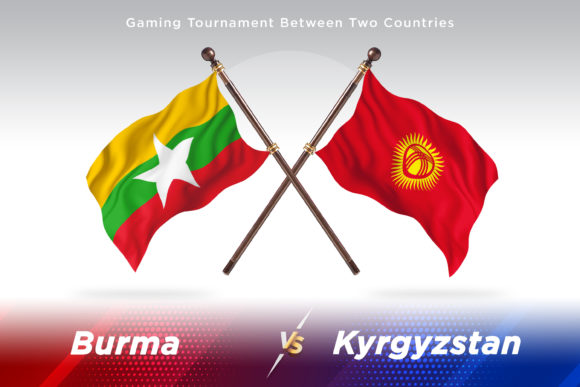
Kyrgyzstan’s flag is a red field with a golden sun at the centre, inside which a stylised yurt roof (tündük) appears. The sun has forty rays—representing the forty tribes that traditionally made up the Kyrgyz nation. The tündük is a direct reference to nomadic life; it symbolises home, family, and continuity. Red has deep historical roots in Kyrgyz culture and was used in medieval Kyrgyz banners. The design rejects complex iconography in favour of bold, memorable shapes.
This flag works well for anyone teaching about Central Asian history or discussing national identity in former Soviet republics. A UX designer or brand strategist could study the Kyrgyz flag as an example of how abstract geometric shapes—the yurt roof—can carry heavy cultural meaning without relying on text or detailed illustrations. For content creators covering Kyrgyzstan, referencing the forty rays offers a natural storytelling hook about unity and diversity.
Visual Contrasts That Matter for Design and Communication
Comparing Brunei versus Kyrgyzstan two flags side by side reveals distinct choices in colour psychology, structural balance, and cultural signalling.
Colour Palette and Emotional Tone
Brunei uses a warm, restrained palette: yellow, white, black, and red accents on the crest. Yellow suggests warmth, status, and ceremony. The contrast between white and black stripes adds visual rhythm without feeling aggressive. Kyrgyzstan chooses red—a colour often associated with energy, courage, and passion—paired with gold, which signals value and optimism. If you are selecting a colour scheme for a brand, campaign, or presentation, these flags offer two different strategies: Brunei’s approach leans toward understated prestige, while Kyrgyzstan’s demands attention.
Symbol Density and Clarity
Brunei’s flag includes multiple layered symbols: a crescent, a parasol, hands, and diagonal bands. Each element adds meaning but also increases cognitive load for the viewer. Kyrgyzstan’s flag uses two primary symbols—the sun and the yurt roof—but repeats the sun’s rays to create a strong visual pattern. For an educator explaining flag symbolism to students, the Brunei flag offers a richer case study in iconography. For a logo designer seeking clarity and instant recognition, the Kyrgyz flag provides a useful benchmark.
Cultural Specificity vs Universal Forms
Both flags are culturally specific, but they differ in how they encode meaning. Brunei’s crest requires knowledge of Islamic and Malay royal conventions to fully interpret. Kyrgyzstan’s yurt roof is more immediately accessible—many people recognise the shape of a dwelling even if they do not know its regional significance. A travel writer comparing these two countries might use the flags to illustrate how Brunei’s identity centres on monarchy and religion, while Kyrgyzstan’s focuses on ethnic unity and nomadic heritage. That contrast helps readers quickly grasp the cultural priorities of each nation.
Practical Applications Across Different Roles
Understanding Brunei versus Kyrgyzstan two flags is not just an academic exercise. Here is how different professionals might benefit from this comparison.
Educators and Course Creators
If you teach geography, history, or civics, comparing these two flags gives students a tangible way to explore national identity. You could ask students to predict a country’s values based solely on its flag and then research the actual history. Brunei’s crest invites discussions about constitutional monarchies and the role of Islam in Southeast Asia. Kyrgyzstan’s sun and yurt open conversations about nomadic cultures, Soviet influence, and post-independence nation-building.
Graphic Designers and Brand Strategists
For designers working on multicultural projects, these flags illustrate how to balance complexity with readability. If a client wants a logo that conveys tradition and authority, studying Brunei’s symmetrical crest and diagonal lines may offer ideas. If the goal is unity and forward momentum, Kyrgyzstan’s radial sun pattern could be a stronger reference. The two flags also show how colour choice changes perception—yellow feels regal, red feels urgent.
Travel and Lifestyle Content Creators
When writing about Brunei or Kyrgyzstan, mentioning the flag adds depth and shows cultural awareness. A blog post about travelling to Bandar Seri Begawan could open with a sentence about the yellow field reflecting the sultanate’s grandeur. A YouTube video about Kyrgyz nomadic traditions could cut to the flag’s tündük as a visual metaphor for home. These small references signal that you respect the context, which builds trust with local audiences and knowledgeable readers.
Marketers and Small Business Owners
If your brand engages with international audiences, understanding flag symbolism helps you avoid missteps. Using the Brunei flag in promotional materials without understanding the centrality of the monarchy could appear superficial. Similarly, referencing Kyrgyzstan’s flag without acknowledging the forty tribes might miss the deeper meaning of unity. Knowing these details allows you to communicate with accuracy and nuance, especially when targeting diaspora communities or running region-specific campaigns.
Who Benefits Most From This Comparison
This comparison holds particular value for people who work across cultures or need to visualise information effectively. Freelancers writing about world affairs, publishers creating educational content, and hobbyists interested in vexillology will all find something useful. Entrepreneurs expanding into Southeast Asian or Central Asian markets can use flag symbolism as a conversation starter or a way to show cultural competence. Bloggers covering design trends may also discover new ideas for colour combinations and symbolic storytelling.
That said, the comparison is most meaningful when you already have some context about the region or the specific use case. If you are looking for a quick answer about flag dimensions or official colour codes, a database or government website will serve you better. This article focuses on the why behind the design, not the technical specifications.
When to Compare and When to Look Deeper
Comparing Brunei versus Kyrgyzstan two flags works well when you need a rapid introduction to each country’s core values. The flags act as visual summaries—they tell you what each nation chooses to highlight about itself. But flags also simplify. Brunei’s flag does not show its ethnic diversity or its oil economy. Kyrgyzstan’s flag does not reflect its Russian-speaking minority or its mountainous geography. For deeper research, use the flag as a starting point, then explore other symbols like national emblems, anthems, or currency designs.
If you are creating content that demands high accuracy, verify your interpretations with local sources. Flag symbolism can evolve, and official meanings may differ from popular understanding. A thoughtful approach is to present the flag as one piece of a larger cultural puzzle, not the final answer.
Bringing the Comparison Into Your Own Work
You do not need to be a vexillologist to use these insights. Next time you design a presentation about Southeast Asia or Central Asia, include a slide on the flag and what it represents. If you write a newsletter about global culture, mention one flag detail that surprised you. When you create social media graphics for a country-specific campaign, let the flag’s colour palette guide your visual choices. These small moves add authenticity and show that you have done the homework.
For those teaching or mentoring, the Brunei versus Kyrgyzstan two flags comparison makes an excellent case study in how design constraints—colour availability, symbol complexity, cultural expectations—shape a final product. It also demonstrates that effective communication does not require a universal style. Both flags succeed on their own terms, using different strategies to achieve recognition and meaning.
The best flag designs do not just identify a country—they tell a story in seconds. Brunei tells a story of continuity, faith, and hierarchy. Kyrgyzstan tells a story of unity, heritage, and openness. Understanding both stories expands your visual vocabulary and equips you to communicate with more depth, whether you are teaching a class, designing a brand, or writing for a global audience.