Brunei Versus Kuwait: Two Flags, Distinct Identities
Flags are more than national symbols—they tell stories of history, faith, and sovereignty. Comparing the flags of Brunei and Kuwait reveals how two small but resource-rich nations express their identity through distinct designs, colors, and symbolism. Whether you are a traveler, a student of vexillology, a content creator, or simply curious about world cultures, understanding the differences between these flags can enrich your appreciation of Southeast Asian and Middle Eastern heritage.
What the Brunei and Kuwait Flags Look Like
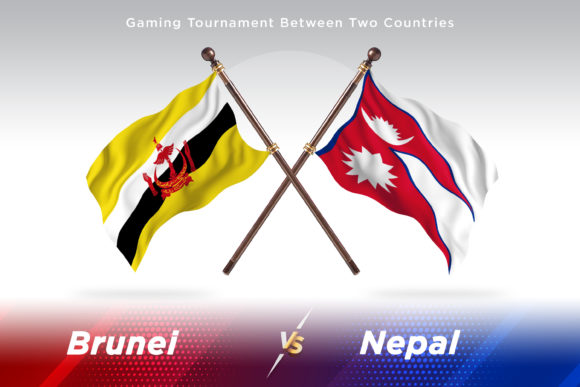
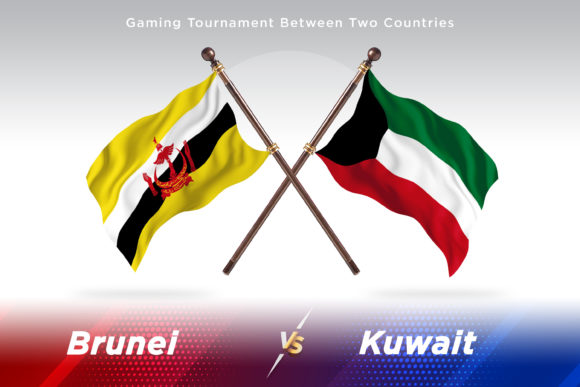
The flag of Brunei features a striking yellow field crossed by diagonal bands of white and black. At the center lies the national coat of arms, which includes a crescent, a parasol, and two hands. Yellow in Brunei represents the monarchy, while the diagonal stripes symbolize the two chief ministers. The coat of arms reinforces Islamic values and the Sultan's role as leader of the faith.
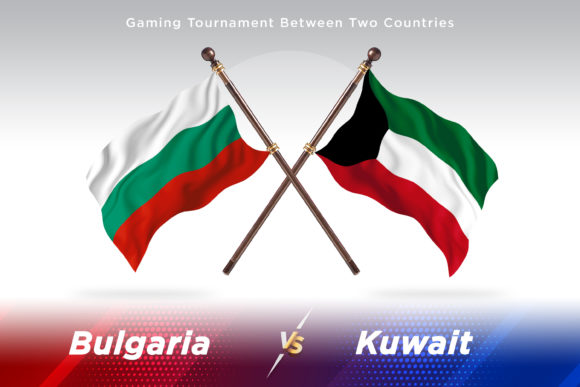
Kuwait's flag uses a horizontal tricolor of green, white, and red, with a black trapezoid on the hoist side. The colors draw from the Pan-Arab palette: green for fertility and Islam, white for purity and peace, red for bloodshed in the struggle for independence, and black for the nation's past battles. The design is crisp, modern, and instantly recognizable across the Middle East.
At first glance, the two flags share no obvious visual similarities. Brunei leans heavily on a single bold color and intricate emblems, while Kuwait embraces a clean, geometric layout. Yet both flags communicate deep pride and stability in their respective regions.
Why Compare Brunei Versus Kuwait Two Flags?
You might be comparing these flags for several reasons. Perhaps you are planning travel to both countries and want to understand local customs. Maybe you are a graphic designer looking for inspiration from national symbols. Educators often use flag comparisons to teach students about geography and political systems. Even casual learners find that studying flags offers a quick window into a country's values and history.
The appeal lies in contrast. Brunei is an absolute monarchy guided by Islamic law, while Kuwait is a constitutional emirate with a strong parliamentary tradition. Their flags mirror these differences. Brunei's emblem-heavy design emphasizes continuity and royal authority. Kuwait's simpler tricolor speaks to unity, sacrifice, and a shared Arab identity. Seeing them side by side helps you grasp how visual design reflects governance and culture.
Symbolism: Where the Two Flags Diverge
The most obvious difference is complexity. Brunei's flag is rich with detail—the crescent represents Islam, the parasol symbolizes royal protection, and the hands suggest the government's duty to serve the people. Every element has a specific meaning rooted in Bruneian tradition. The yellow background is especially significant because yellow is traditionally associated with the Sultan in Malay culture.
Kuwait's flag, by contrast, is minimal and abstract. It uses a classic tricolor layout common to many Arab nations, but the black trapezoid adds a distinctive shape that sets it apart. The absence of emblems or text makes it highly scalable for digital use, merchandise, and international events. For creators and marketers, Kuwait's flag is easier to reproduce at small sizes without losing legibility—an important practical consideration.
Practical Benefits of Knowing the Differences
Understanding the Brunei versus Kuwait two flags comparison helps in real-world situations. If you are designing a multicultural presentation, using the correct flag shows respect and attention to detail. Mixing up national symbols can offend audiences or undermine your credibility. For bloggers and educators, accurate flag representation builds trust with readers from those countries.
Social media managers and content creators often need to tag or reference countries quickly. Knowing that Brunei's flag uses yellow and white-black diagonals, while Kuwait's uses green-white-red with a black trapezoid, reduces errors. It also helps you create more informed captions and graphics that resonate with local followers.
Where and How People Use Flag Knowledge
The Brunei versus Kuwait two flags comparison comes up in diverse contexts:
- Travel planning: Recognizing flags at airports, embassies, or cultural festivals helps you navigate with confidence.
- Educational projects: Students and teachers use flag comparisons to explore political systems, colonial history, and national identity.
- Business and trade: Entrepreneurs researching markets in Southeast Asia or the Gulf benefit from understanding local symbols and etiquette.
- Digital content: YouTubers and podcasters discussing geopolitics or travel often use flags as visual anchors.
- Personal enrichment: Hobbyists who collect flags or study heraldry enjoy the nuanced stories behind each design.
For example, a freelance graphic designer might create an infographic comparing the flags of Brunei and Kuwait for a travel blog. The designer needs to reproduce each flag accurately, respecting proportions and color codes. A marketer launching a campaign in both countries might use flag motifs in localized advertising, being careful to avoid cultural missteps.
Important Considerations Before Using or Discussing These Flags
When working with national flags, a few guidelines matter. First, always use official color references. Brunei's yellow is not the same shade as, say, Malaysia's yellow. Kuwait's green leans toward a specific tone defined by the country's constitution. Second, never alter or distort a flag for artistic effect. Many nations have laws protecting their flag from misuse. Third, be mindful of context. Displaying flags in a respectful way—such as not placing them on the ground or using them as backdrops for frivolous content—shows cultural awareness.
For beginners, a reliable resource is the official government website or a reputable flag database like Flags of the World. These sources provide exact specifications and historical background. Avoid relying on low-resolution images or user-generated content that may contain errors.
Common Mistakes to Avoid
One frequent error is confusing Brunei's flag with that of other Southeast Asian nations because of the yellow field. Another is misidentifying Kuwait's flag due to its similarity to other Pan-Arab tricolors. The black trapezoid is Kuwait's key distinguishing feature—no other Gulf state uses that exact shape. Taking a moment to learn these details saves embarrassment and shows respect.
Another pitfall is assuming flags never change. Kuwait's flag was adopted in 1961 after independence, but it has remained consistent since then. Brunei's flag has also stayed stable, though the coat of arms was refined in the 1950s. Always check for recent updates if you are writing or creating content about national symbols.
Why This Comparison Matters for Lifelong Learners
Comparing Brunei versus Kuwait two flags is not just about memorizing colors and shapes. It is a gateway to understanding two distinct regions of the world—their histories, religions, and governance models. Brunei offers a window into Malay Islamic monarchy and the wealth derived from oil and gas. Kuwait represents a Gulf nation that has balanced tradition with constitutional reform and economic diversification.
For professionals in international relations, journalism, or education, this kind of comparative knowledge builds cultural competence. It helps you communicate more effectively with colleagues, partners, or audiences from diverse backgrounds. Even for casual learners, connecting a flag to a country's story makes the information stickier and more meaningful.
Ultimately, the Brunei versus Kuwait two flags comparison is a small but satisfying exercise in global literacy. It sharpens your observation skills, broadens your worldview, and equips you with practical knowledge for travel, work, or personal growth. Next time you see these flags flying at an airport or appearing in a documentary, you will immediately recognize the stories they carry.