Brazil Versus Japan Two Flags: Design and Meaning
Flags are more than pieces of fabric. They carry identity, history, and values. When comparing the national flags of Brazil and Japan, you see two vastly different visual languages. Yet both communicate powerful ideas about their nations. Understanding what makes each flag distinctive can enrich your appreciation of design, culture, and symbolism. Whether you are a designer, educator, traveler, or simply curious, exploring Brazil versus Japan two flags offers insights that go far beyond aesthetics.
What Each Flag Represents at First Glance
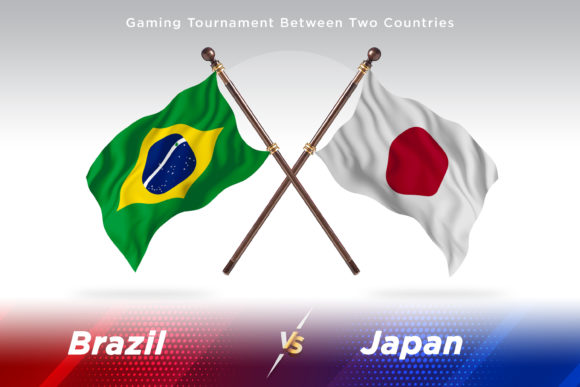
The flag of Japan is famously minimal. A white rectangular field with a single crimson disc in the center. That disc represents the sun. Japan is often called the Land of the Rising Sun, and the flag reflects that identity with striking simplicity. The design has existed in various forms for centuries, though its current official version dates from 1999. The white background symbolizes purity, honesty, and integrity. The red circle is bold and unmistakable. There is no extra detail, no coat of arms, no text. It trusts the power of a single image.
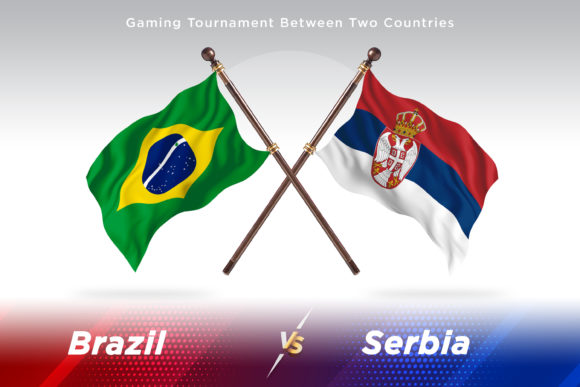
The flag of Brazil tells a much busier story. A green field with a yellow diamond in the middle. Inside the diamond sits a blue globe dotted with stars and crossed by a white band. The band carries the national motto: Ordem e Progresso (Order and Progress). The green represents the forests and wealth of the land. The yellow stands for gold and the country’s mineral resources. The blue globe depicts the night sky over Rio de Janeiro on November 15, 1889, the date the republic was proclaimed. Each star corresponds to a state. This flag is packed with layers of meaning.
At a basic level, Brazil versus Japan two flags teaches you how different design philosophies operate. Japan chooses restraint. Brazil chooses abundance. Both are effective in their own context.
Why Compare These Two Flags
On the surface, Brazil and Japan share little in common. One is a vast South American nation with tropical ecosystems and a history of Portuguese colonization. The other is an East Asian archipelago shaped by centuries of isolation and rapid modernization. Yet comparing their flags reveals something useful about visual communication. You see how a culture expresses its values through color, shape, and space.
People often turn to this comparison for several reasons:
- Design inspiration. Creatives look at both flags to understand how minimalism and complexity each achieve impact. The Japanese flag is a masterclass in restraint. The Brazilian flag shows how to layer information without becoming chaotic.
- Educational value. Teachers and students examine Brazil versus Japan two flags to learn about history, geography, and national identity. The flags become gateways to broader cultural study.
- Travel and business. Professionals working with Brazilian or Japanese counterparts benefit from understanding the symbols that matter to each culture. It shows respect and awareness.
- Personal curiosity. Many people simply enjoy learning about how different countries represent themselves. Flags are accessible entry points into world knowledge.
Color Palette and Emotional Impact
Japan uses only two colors: white and red. This combination feels clean, calm, and authoritative. Red in Japanese culture carries meanings of life, energy, and the sun. White suggests sacredness and simplicity. Together they create a flag that feels timeless and direct.
Brazil uses green, yellow, blue, and white. Green suggests nature, life, and hope. Yellow evokes warmth, wealth, and optimism. Blue brings in depth, sky, and stability. White adds balance. The palette is more energetic and complex, matching the country’s diverse landscape and population. When studying Brazil versus Japan two flags, note how each palette sets a different emotional tone: reserved versus vibrant.
Use of Space and Geometry
The Japanese flag is perfectly centered and symmetrical. The red circle sits exactly in the middle. This creates instant visual balance. Your eye goes straight to the center and stays there. There is no distraction.
The Brazilian flag uses geometry too, but in a more layered way. The yellow diamond is centered, but the blue globe inside it shifts the focus. The white band curves slightly, mimicking a celestial path. The stars are arranged irregularly, matching actual astronomical positions. This asymmetry reflects a more organic worldview. Nature is not perfectly symmetrical, and neither is the flag. Comparing the two designs shows how different cultures approach order and expression.
Text and Symbols
Japan includes no text. The symbol is purely graphic. This makes the flag universally recognizable even to those who cannot read Japanese. It transcends language.
Brazil includes the motto Ordem e Progresso in Portuguese. This adds a verbal layer to the visual message. It ties the flag directly to the country’s political founding ideals. For Portuguese speakers, the text reinforces national pride. For others, it may require explanation. This is a meaningful difference in how Brazil versus Japan two flags communicate with domestic and international audiences.
Practical Use Cases for This Knowledge
Understanding these flags goes beyond trivia. Here are real situations where the comparison becomes useful:
Graphic Design and Branding
If you work with visual media, studying both flags helps you decide when to go minimal and when to add detail. The Japanese flag proves that a single strong image can carry immense weight. The Brazilian flag shows that complexity can still feel cohesive if the elements relate to a central theme. Designers often reference both when creating logos, websites, or marketing materials that need cultural resonance.
Education and Curriculum Development
Teachers use Brazil versus Japan two flags to introduce lessons on symbolism, history, and comparative culture. Students analyze the flags and then research the events that shaped them. This exercise builds critical thinking and global awareness. For example, a lesson might ask why Brazil felt the need to include stars and a motto while Japan chose a single circle. The answers reveal deep differences in national narrative.
Event Planning and Cultural Celebrations
Organizers of multicultural events often display flags from around the world. Knowing the meaning behind each flag lets you present them with respect. If you are hosting a Brazilian or Japanese cultural night, sharing a brief explanation of the flag design adds depth to the experience. Guests appreciate learning why the flags look the way they do.
Travel Preparation
Travelers visiting Brazil or Japan benefit from understanding the flag symbolism. It is a simple way to show cultural awareness. In Japan, the flag is treated with reverence. In Brazil, it appears everywhere from government buildings to sports jerseys. Knowing the stories behind Brazil versus Japan two flags helps you connect more meaningfully with locals.
Important Considerations When Studying or Using Flag Symbolism
Flags carry deep emotional and political weight. Approaching them with sensitivity matters. Here are a few things to keep in mind:
- Context matters. The meaning of a flag can shift depending on who is using it and where. In Japan, the flag is widely respected but also carries historical associations with imperialism during the early twentieth century. In Brazil, the flag is generally embraced without controversy, but some criticize the motto as outdated. Always be aware of context.
- Accuracy in reproduction. If you are recreating either flag for a project, get the proportions and colors right. The Japanese flag has a specific ratio of 2:3, and the red circle has a defined diameter relative to the width. The Brazilian flag has exact specifications for the diamond, globe, stars, and text. Inaccurate representations can be seen as disrespectful or sloppy.
- Use as a learning tool, not a stereotype. Comparing flags is a starting point, not a full cultural analysis. A flag reflects ideals but not daily reality. Use the comparison to spark deeper exploration, not to reduce a nation to a single image.
- Respect flag etiquette. In both countries, there are rules about how the flag should be displayed, handled, and retired. If you are using either flag for an event or publication, research proper protocols.
How to Start Exploring Further
If Brazil versus Japan two flags has captured your interest, you have multiple paths forward. You can study the history behind each design, read about the political events that led to their adoption, or look at how citizens use and modify the flags in sports, art, and protest. Each direction reveals more about the countries and about how visual symbols shape identity.
For beginners, a simple exercise is to sketch both flags from memory. Try to get the proportions right. Notice which details you remember clearly and which you misplace. This reveals how your brain processes different kinds of visual information. Then research the official specifications and see how close you came. It is a surprisingly effective way to internalize what you have learned.
For professionals, consider how the design principles in these flags apply to your own work. Could a project benefit from the stark clarity of the Japanese flag? Or does a complex message need the layered approach of the Brazilian flag? The comparison becomes a practical tool for decision-making.
Ultimately, the study of Brazil versus Japan two flags is a study of how people choose to represent themselves. One flag says: we are one thing, clearly and simply. The other says: we are many things, woven together into a whole. Both statements are true for their nations. Both are worth understanding.